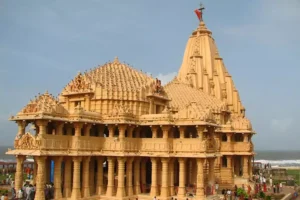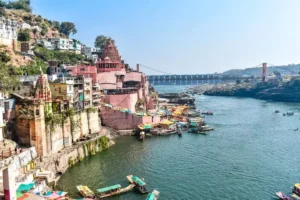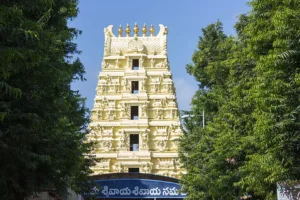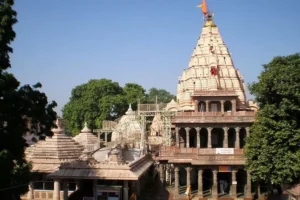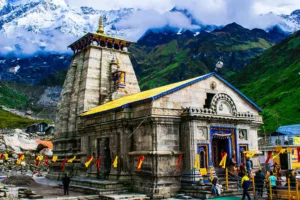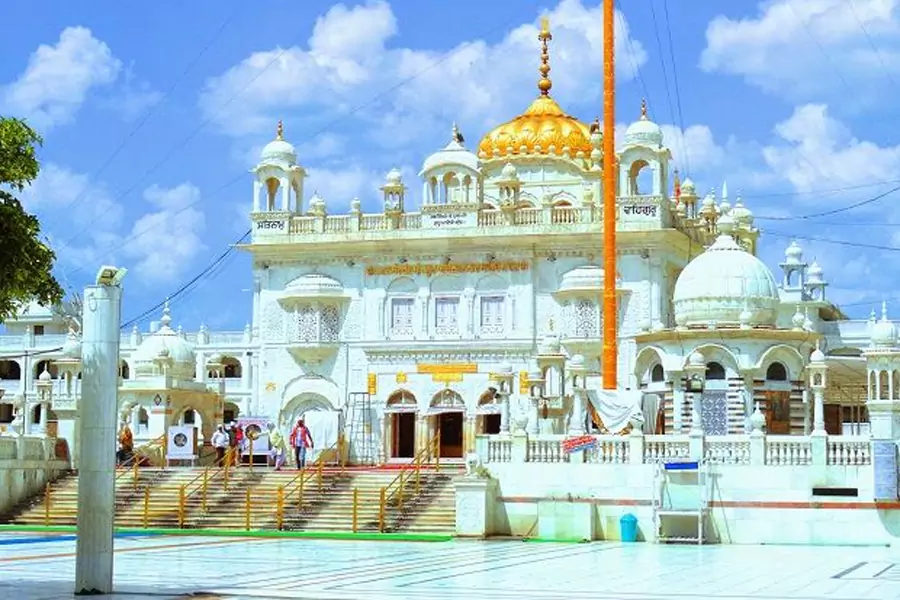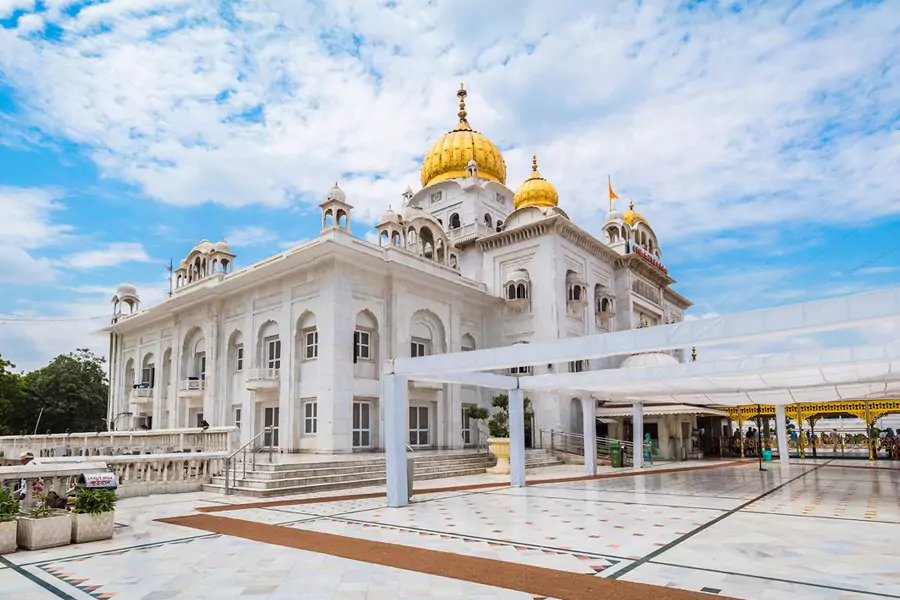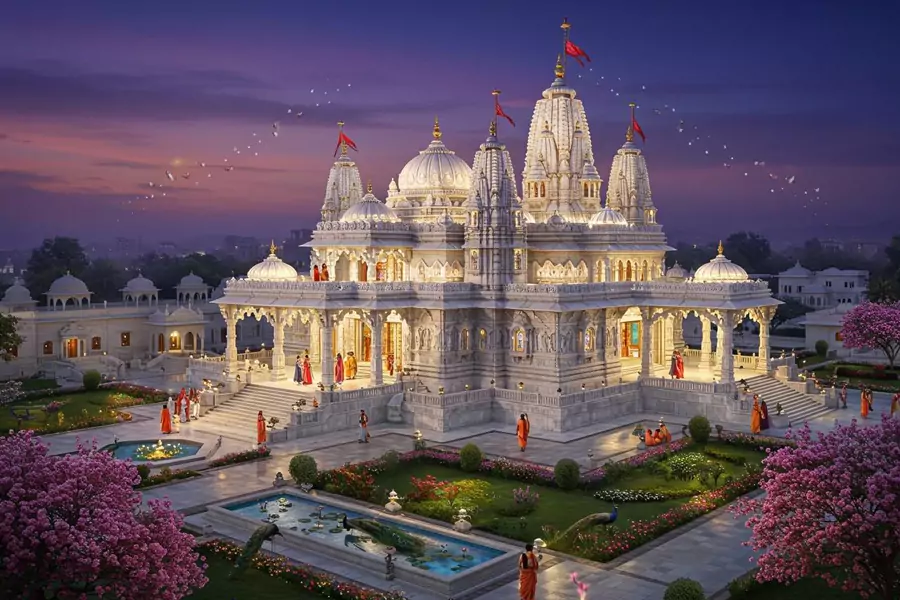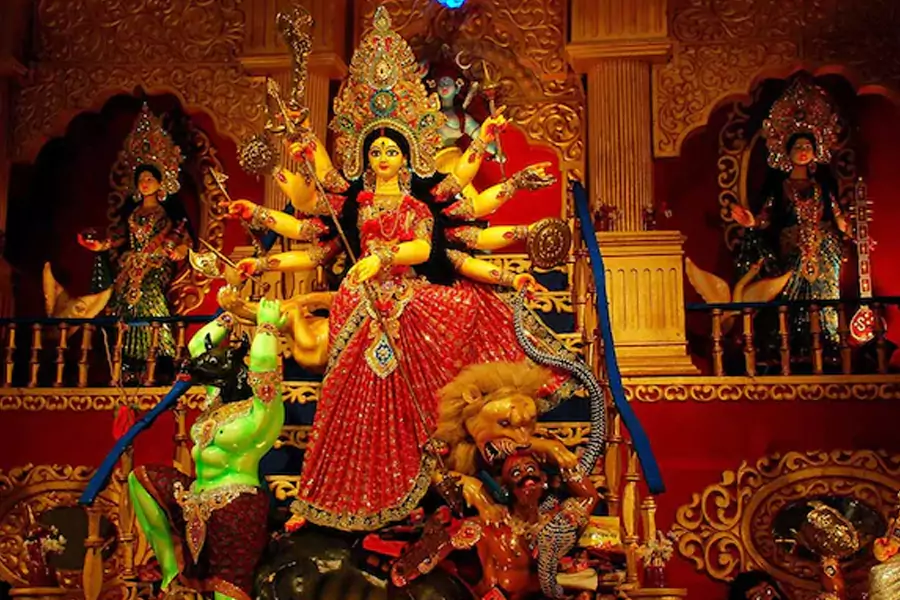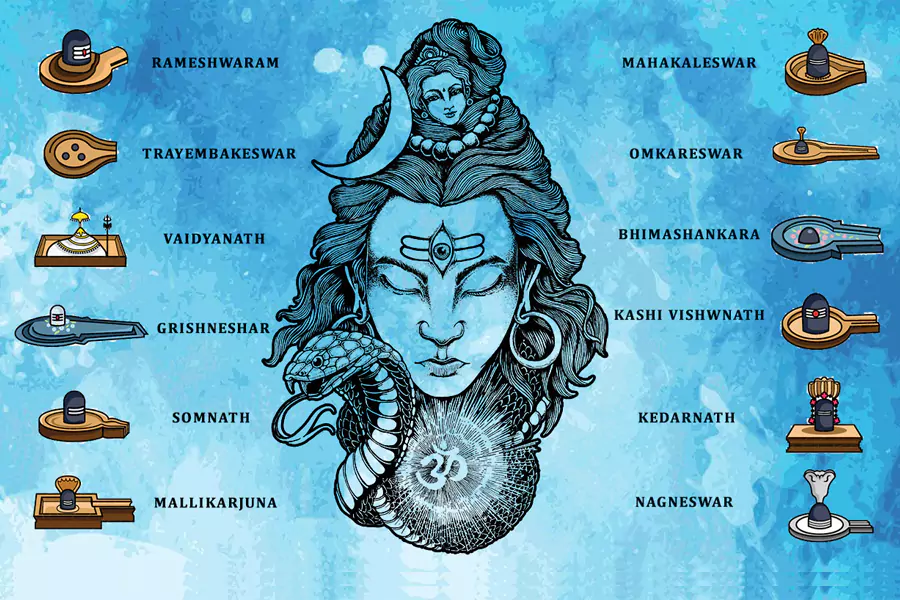

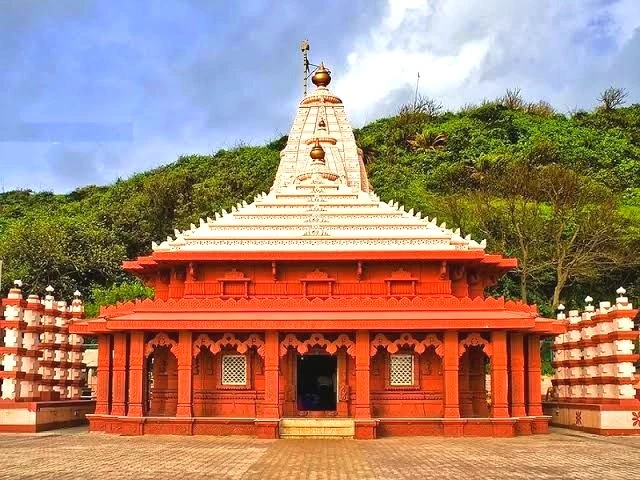
Maharashtra welcomes devotees, travelers, and spiritual seekers with its incredible temples, rich heritage, and divine energy. From ancient rock-cut shrines to world-famous pilgrimage destinations, the state beautifully preserves its culture, faith, and traditions. Whether you seek blessings, peace, or history, the temples of Maharashtra offer a meaningful and unforgettable spiritual experience.
List of Temples in Maharashtra
| Temple Name | Location |
|---|---|
| Shree Siddhivinayak Temple | Mumbai |
| Shirdi Sai Baba Temple | Shirdi |
| Trimbakeshwar Temple | Nashik |
| Mahalakshmi Temple | Kolhapur |
| Grishneshwar Temple | Ellora |
| Bhimashankar Jyotirlinga | Bhimashankar |
| Dagdusheth Halwai Ganpati Temple | Pune |
| Vitthal Rukmini Temple | Pandharpur |
| Kailash Temple | Ellora |
| Ballaleshwar Temple | Raigad |
| Khandoba Temple | Jejuri |
| Tulja Bhavani Temple | Tuljapur |
| Shri Mayureshwar Ganpati Temple | Morgaon |
13 Best Temples to Visit in Maharashtra
Let’s explore the most famous temples that define Maharashtra’s divine heritage. Here are the best temples in Maharashtra you should definitely include in your travel plan.
1. Shree Siddhivinayak Temple | Mumbai

Located in the heart of Mumbai, Siddhivinayak Temple is one of India’s most powerful temples dedicated to Lord Ganesha. Devotees believe prayers offered here bring success and prosperity. The temple’s peaceful atmosphere amidst a busy city makes it truly special.
- Best Time to Visit: September to February
- Temple Timings: 5:30 AM – 9:00 PM
- Nearest Station: Dadar
- Nearest Airport: Chhatrapati Shivaji Maharaj International Airport
- How to Reach: Easily accessible via local trains, buses, and cabs
Travel Tip: Tuesdays are extremely crowded; visit early morning on weekdays.
2. Shirdi Sai Baba Temple | Shirdi

One of the most visited temples in the world, Shirdi is home to Shri Sai Baba, the saint known for miracles, kindness, and spiritual wisdom. Millions visit every year to seek blessings.
- Best Time to Visit: October to March
- Temple Timings: 5:00 AM – 10:00 PM
- Nearest Station: Sainagar Shirdi
- Nearest Airport: Shirdi Airport
- How to Reach: Excellent road, bus, and rail connectivity
Highlight: Aarti ceremonies are deeply soulful and must experience.
3. Trimbakeshwar Temple | Nashik

This holy temple is one of the 12 Jyotirlingas of Lord Shiva. Surrounded by scenic beauty, it holds great religious importance and attracts pilgrims throughout the year.
- Best Time to Visit: July to September & Winter months
- Temple Timings: Early morning till late evening (vary festival-wise)
- Nearest Station: Nashik Road
- Nearest Airport: Nashik Airport
- How to Reach: Well-connected by road
Highlight: Sacred Godavari River originates near here.
4. Mahalakshmi Temple | Kolhapur

Dedicated to Goddess Mahalakshmi (Ambabai), this temple is one of the Shakti Peethas and is considered extremely powerful. Its ancient architecture adds historic charm.
- Best Time to Visit: October to February.
- Temple Timings: Open daily from 4:30 AM to 10:00 PM.
- How to Reach: Palitana is accessible by road. From there, pilgrims can climb the stairs or opt for a ropeway ride to reach the temples.
- Nearby Railway Station: Kolhapur Railway Station.
- Nearby Airport: Kolhapur Airport.
- Nearby Bus Station: Kolhapur Central Bus Stand.
Tip: Navratri festival celebrations here are grand and divine.
5. Grishneshwar Temple | Ellora

Located near the UNESCO-listed Ellora Caves, Grishneshwar is another Jyotirlinga temple dedicated to Lord Shiva. Its stone carvings and architecture are breathtaking.
- Best Time to Visit: November to February.
- Temple Timings: Open daily from 5:30 AM to 9:00 PM.
- How to Reach: Well connected by road.
- Nearby Railway Station: Aurangabad Railway Station.
- Nearby Airport: Aurangabad Airport.
- Nearby Bus Station: Ellora Bus Stand.
6. Bhimashankar Jyotirlinga | Bhimashankar

Nestled deep in the Sahyadri mountains, Bhimashankar is both spiritually and naturally mesmerizing. It is also one of the 12 Jyotirlingas.
- Best Time to Visit: July to November.
- Temple Timings: Open daily from 6:00 AM to 10:30 PM.
- How to Reach: Accessible by road.
- Nearby Railway Station: Pune Railway Station.
- Nearby Airport: Pune International Airport.
- Nearby Bus Station: Bhimashankar Bus Stand.
Highlight: The surrounding forest is a wildlife sanctuary.
7. Dagadusheth Halwai Ganpati Temple | Pune

This temple is famous for its beautifully decorated golden Ganesha idol and grand celebrations.
- Best Time to Visit: September to February.
- Temple Timings: Open daily from 6:00 AM to 10:30 PM.
- How to Reach: Easily accessible by local transport.
- Nearby Railway Station: Pune Railway Station.
- Nearby Airport: Pune International Airport.
- Nearby Bus Station: Pune Station Bus Stand.
8. Vitthal Rukmini Temple | Pandharpur

Pandharpur is Maharashtra’s spiritual heart. Devotees visit Lord Vitthal and Goddess Rukmini with deep devotion, especially during Ashadhi Ekadashi.
- Best Time to Visit: June to August.
- Temple Timings: Open daily from 5:00 AM to 10:00 PM.
- How to Reach: Well-connected by road and rail.
- Nearby Railway Station: Pandharpur Railway Station.
- Nearby Airport: Solapur Airport.
- Nearby Bus Station: Pandharpur Bus Stand.
9. Kailash Temple | Ellora

Carved out of a single rock, this temple is a masterpiece of ancient engineering and devotion. It stands inside the Ellora Cave complex.
- Best Time to Visit: November to February.
- Temple Timings: Open daily from 9:00 AM to 5:00 PM, except closed on Tuesday.
- How to Reach: Easily accessible by road.
- Nearby Railway Station: Aurangabad Railway Station.
- Nearby Airport: Aurangabad Airport.
- Nearby Bus Station: Ellora Bus Stand.
10. Ballaleshwar Temple | Raigad

One of the Ashtavinayak temples, Ballaleshwar is dedicated to Lord Ganesha and holds great religious importance.
- Best Time to Visit: October to March.
- Temple Timings: Open daily from 5:00 AM to 10:30 PM.
- How to Reach: Well-connected by road.
- Nearby Railway Station: Roha Railway Station.
- Nearby Airport: Chhatrapati Shivaji Maharaj International Airport (Mumbai).
- Nearby Bus Station: Pali Bus Stand.
11. Khandoba Temple | Jejuri

Known as the temple of turmeric, Jejuri is famous for its vibrant celebrations and hilltop location.
- Best Time to Visit: February to April.
- Temple Timings: Open daily from 5:00 AM to 9:00 PM.
- How to Reach: Accessible by road and trekking.
- Nearby Railway Station: Sasvad Road Railway Station.
- Nearby Airport: Pune International Airport.
- Nearby Bus Station: Jejuri Bus Depot.
12. Tulja Bhavani Temple | Tuljapur

Dedicated to Goddess Tulja Bhavani, this temple is deeply respected across Maharashtra.
- Best Time to Visit: September to February.
- Temple Timings: Open daily from 4:00 AM to 10:00 PM.
- How to Reach: Well-connected by road.
- Nearby Railway Station: Osmanabad Railway Station.
- Nearby Airport: Solapur Airport.
- Nearby Bus Station: Tuljapur Bus Stand.
13. Shri Mayureshwar Ganpati Temple | Morgaon

Considered the first of the Ashtavinayak temples, this temple holds great cultural and religious significance.
- Best Time to Visit: September to February.
- Temple Timings: Open daily from 5:00 AM to 10:30 PM.
- How to Reach: Accessible by road and well-connected by local transport.
- Nearby Railway Station: Jejuri Railway Station.
- Nearby Airport: Pune International Airport.
- Nearby Bus Station: Morgaon Bus Stand.
Why These Temples Are Important
These temples represent Maharashtra’s devotion, centuries-old traditions, and stunning architectural heritage. From Lord Shiva’s sacred Jyotirlingas to divine Ganesha and powerful Goddess temples, each destination offers a unique spiritual experience and blessings.
FAQs About Temples in Maharashtra
Q. What does the “Palkhi” procession mean at Vitthal Rukmini Temple in Pandharpur?
During the “Palkhi” procession, devoted followers carry a special decorated chair holding figures of Lord Vitthal and Goddess Rukmini on their shoulders. This ancient tradition shows their commitment to serving the divine and brings all pilgrims together in shared spiritual feeling and community connection.
Q. Why does Kailash Temple in Ellora hold historical importance?
Kailash Temple demonstrates how different religions shared and influenced each other in ancient India. Its design combines Hindu, Buddhist, and Jain artistic styles, proving that India’s past shows religious acceptance and cultural sharing among many belief systems.
Q. What special ceremonies happen at Bhimashankar Jyotirlinga?
Bhimashankar Temple celebrates the “Nag Panchami” festival, where visitors make offerings to snake deities seeking protection and blessings. This tradition stretches back through many generations and shows how humans and the natural world live together peacefully and respectfully.
Q. What makes Mahalakshmi Temple in Kolhapur famous?
This temple honors Goddess Mahalakshmi, the partner of Lord Vishnu. It belongs to a special group of power centers celebrating goddesses and stands as one of the most important places for honoring feminine divine energy.
Q. What makes Dagdusheth Halwai Ganpati Temple in Pune special?
Visitors travel to this temple to see the amazing gold-covered statue of Lord Ganesha decorated with expensive jewels. The incredible beauty and the belief in Ganesha’s power to bring success make people come seeking blessings for prosperity and achievement.
Q. Why does Khandoba Temple in Jejuri stand out?
This temple celebrates the colorful Turmeric Festival where people offer turmeric powder to honor the deity. This joyful celebration shows devotion and spiritual cleansing through a festive and bright community gathering.
Which Maharashtra city functions as the religious center?
Pandharpur serves as the religious heart of Maharashtra. Every year, the Pandharpur Yatra brings massive crowds of pilgrims visiting the famous Vitthal Temple sitting beside the Bhima River. This pilgrimage represents one of Maharashtra’s largest annual religious gatherings.
Which goddess receives special worship throughout Maharashtra?
Devi Bhavani, the warrior goddess, receives respect and devotion from countless families who honor her as their family’s special deity and protector.
How do Maharashtra’s culture and history shape its temples?
Maharashtra’s traditions deeply influence every temple through its building style, religious rituals, and local festivals. Communities blend their unique practices and celebrations into temple activities, making worship more meaningful and spiritually rich for all followers.
Do temples in Maharashtra have rules for visitors?
Many temples expect visitors to follow dress codes, respect photography restrictions, and arrive during specific visiting hours. Guests should show respect for the temple’s sacred nature and follow the behavior guidelines each place establishes.
Why do Maharashtra’s temples hold such importance?
Temples represent Maharashtra’s varied cultures and lengthy historical background throughout centuries. The majority of temples devote themselves to Lord Shiva, reflecting the spiritual values of Maratha people and their lasting religious heritage.
Final Thoughts
These temples in Maharashtra are not just places of worship; they are powerful centers of faith, culture, and devotion. Whether you visit for blessings, peace, or curiosity, each shrine promises a deeply spiritual and heartwarming experience.
If you wish to discover more, don’t miss reading our dedicated article on 5 Jyotirlingas in Maharashtra, where we share timings, locations, history, and travel tips.