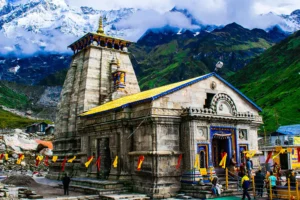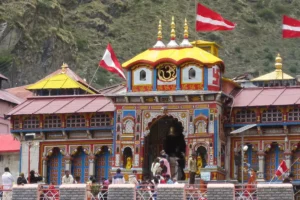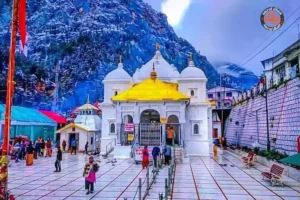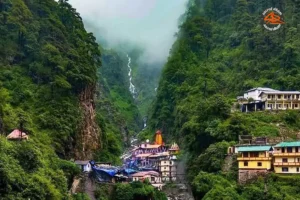


Kedarnath Temple lies in the Garhwal Himalayas of Uttarakhand, and you cannot drive directly to the shrine. To reach it, travel first to Haridwar, Rishikesh, Dehradun, or another suitable transport hub. Continue by road toward Sonprayag and Gaurikund, then complete the final stretch by trekking or using an officially available alternative, such as helicopter, pony, or palki services when operating.
The best route depends on where you start, your budget, the time available, and how much walking you can manage. Travelers from Delhi often combine a train or bus journey with road transport. Visitors arriving by air usually use Dehradun’s Jolly Grant Airport. From Bareilly, compare current train and road connections before choosing an interchange.
Before leaving, check the official Uttarakhand Tourist Care registration portal, current road advisories, weather updates, and the operating status of any helicopter service you plan to use.
Where Is Kedarnath Temple Located?
Kedarnath Temple is in Rudraprayag district, Uttarakhand, in the Himalayan region near the Mandakini River. The Shri Badarinath Kedarnath Temple Committee lists the temple’s elevation at approximately 3,581 metres above sea level. Other official sources use slightly different figures, so an approximate elevation of around 3,580 metres is appropriate for travel planning. Official temple information.
Three places are especially important when planning the journey:
- Sonprayag: A key road-access point for the final part of the pilgrimage. Vehicle restrictions and local transfer arrangements may apply.
- Gaurikund: The established starting point for the Kedarnath trek. Travelers generally continue from Sonprayag using the transport arrangements permitted at the time.
- Kedarnath Temple: The final destination, reached by the mountain trail or an officially available alternative.
The route usually follows the Rishikesh, Devprayag, Srinagar, Rudraprayag, Guptkashi, Sonprayag, and Gaurikund corridor. The exact approach depends on your starting point and current road conditions.
How to Reach Kedarnath: Quick Overview
| Travel option | Main access point | What happens next | Best suited for |
|---|---|---|---|
| Train | Haridwar or Rishikesh, depending on available services | Continue by road toward Sonprayag and Gaurikund | Budget-conscious travelers and visitors from cities with suitable rail connections |
| Flight | Jolly Grant Airport near Dehradun | Arrange onward road transport | Travelers who can find a suitable flight and want to reduce long-distance rail or road travel |
| Bus | Haridwar, Rishikesh, or other available route points | Continue by bus, shared vehicle, or taxi toward the pilgrimage route | Travelers looking for a relatively economical option |
| Private car | Road route through Uttarakhand | Drive to the permitted parking or transfer point, then continue locally | Families and groups who prefer flexibility |
| Taxi or shared vehicle | Haridwar, Rishikesh, Dehradun, or a nearby town | Travel toward Sonprayag and Gaurikund | Travelers who do not want to drive themselves |
| Trek | Gaurikund | Walk uphill to Kedarnath | Travelers prepared for sustained physical effort |
| Helicopter | An authorized helipad specified by the current operator | Follow the operator’s transfer and reporting instructions | Eligible travelers seeking to reduce trekking |
The final access arrangements can change during the Yatra season. Confirm current instructions before departure.
How to Reach Kedarnath by Train
Kedarnath does not have a railway station. You need to travel by train to a suitable railhead and continue by road.
Haridwar and Rishikesh are common railway options. Uttarakhand Tourism identifies Rishikesh as the nearest railway station in its Kedarnath travel information. However, Haridwar may be more convenient for some travelers because of their available train connections and onward travel plans. Check the actual services for your date rather than choosing a station based on distance alone. Uttarakhand Tourism: Kedarnath.
After arriving at the station:
- Arrange a bus, shared vehicle, or taxi toward the Kedarnath route.
- Continue through the mountain road corridor toward Sonprayag.
- Follow local instructions for onward transfer to Gaurikund.
- Start the trek or use an officially available alternative.
A train journey may take several hours or longer depending on the origin, connection, and service. The road journey adds substantial time, so avoid planning a tight same-day connection between your train arrival and the mountain transfer.
For train availability, schedules, and reservations, use the official Indian Railways enquiry website and IRCTC.
How to Reach Kedarnath by Flight
The most useful airport for many Kedarnath travelers is Jolly Grant Airport near Dehradun. Uttarakhand Tourism identifies it as the nearest airport for the Kedarnath route and lists its road distance to Gaurikund at approximately 238 km. Treat this as a planning reference rather than a guaranteed journey distance or time, since the route and starting point can affect the total. Official destination information.
From the airport, arrange onward transport toward Rishikesh and the mountain road route. You will still need to travel by road to the permitted access point and complete the final stage separately.
Before booking flights:
- Compare the total cost of airfare and road transport.
- Allow enough time between landing and your onward transfer.
- Consider staying overnight in Dehradun or Rishikesh if your arrival is late.
- Leave buffer time for road delays, heavy rain, or transport changes.
- Check your return flight time against the expected return from Kedarnath.
Flying to Dehradun can reduce the long-distance travel portion, but it does not make the complete journey a short airport-to-temple transfer.
How to Reach Kedarnath by Road
Road travel takes you toward the Kedarnath pilgrimage route, but not directly to the temple.
A common approach from the Haridwar and Rishikesh side is:
Haridwar or Rishikesh → Devprayag → Srinagar → Rudraprayag → Guptkashi → Sonprayag → Gaurikund → Kedarnath
The first six places are part of the road journey. Gaurikund is the usual starting point for the trek to the temple. Uttarakhand Tourism describes Gaurikund as the point where the motorable road ends and the trek begins. Source.
By private car
A private car gives you flexibility to stop, rest, or stay overnight. However, mountain driving requires care. Check road conditions, avoid rushing, and confirm where you can park. Do not assume that your vehicle can continue to Gaurikund or beyond every checkpoint during peak Yatra periods.
By taxi or shared vehicle
You can arrange a taxi from a transport hub or use shared vehicles where available. Confirm the destination, pickup point, luggage allowance, and whether the quoted price covers the full journey or only one segment.
By bus
Buses may be available from major towns toward the Kedarnath route, but the exact service and departure point depend on the date and season. Ask whether the bus goes to Sonprayag or another town and how to continue from there. Do not assume that a bus from Delhi, Haridwar, or Rishikesh takes you directly to the temple.
Road conditions to consider
Mountain roads may face traffic queues, temporary closures, landslides, roadwork, or restrictions during bad weather. Journey times can vary considerably, especially during busy pilgrimage periods.
Check current updates from the Uttarakhand government, the Uttarakhand Tourist Care portal, and relevant district or traffic authorities before leaving.
How to Reach Kedarnath from Delhi
Travelers from Delhi can combine train, bus, car, or flight with local road transport.
Option 1: Train and road
- Take a train from Delhi to Haridwar or Rishikesh, depending on the service that suits your schedule.
- Continue by bus, shared vehicle, or taxi toward Sonprayag.
- Follow local transport arrangements to Gaurikund.
- Complete the trek or use an officially available alternative.
This option can suit travelers who want to avoid driving the entire distance.
Option 2: Bus and road
Travel by bus from Delhi toward Haridwar or Rishikesh if a suitable service is available. Then arrange onward transport toward Sonprayag and Gaurikund. Confirm the bus destination before booking because not every service continues into the mountain route.
Option 3: Private car or taxi
Drive through the Haridwar or Rishikesh corridor and onward through the major mountain towns. Consider breaking the journey with an overnight stay instead of trying to complete every road section and the trek in one continuous push.
Option 4: Flight and road
Fly to Dehradun if the available flight times and total cost make sense. Continue by road toward the pilgrimage route and plan the final stage separately.
How long does it take from Delhi? The answer depends on your transport connections, road traffic, overnight stops, and trekking pace. Plan it as a multi-stage journey rather than relying on a single door-to-temple estimate.
How to Reach Kedarnath from Haridwar
Haridwar is a practical starting point for many pilgrims because it has rail and road connections. From Haridwar, travel by bus, taxi, or shared vehicle toward Rishikesh and the mountain route.
The usual route passes through Devprayag, Srinagar, Rudraprayag, and Guptkashi before reaching Sonprayag. From there, follow current local transfer arrangements toward Gaurikund.
Keep in mind that the drive and trek are separate parts of the trip. If you reach the road-transfer point late in the day, do not assume you can immediately begin the entire trek. Check the current trek reporting window and local instructions, and consider staying overnight nearby.
How to Reach Kedarnath from Rishikesh
Rishikesh works well for travelers who arrive by train, bus, or taxi and want to continue directly toward the mountains.
From Rishikesh, travel toward Devprayag and Srinagar, then continue through Rudraprayag and Guptkashi to Sonprayag. Arrange the permitted local transfer to Gaurikund and continue from there.
Rishikesh can be a convenient choice if your transport arrives at a suitable time. Haridwar may be more practical if it offers a better connection from your home city. Compare the complete itinerary, not just the distance to Kedarnath.
How to Reach Kedarnath from Dehradun
Dehradun is useful for travelers arriving by flight or train. If you land at Jolly Grant Airport, arrange a road transfer toward Rishikesh and onward to the Kedarnath route.
You can also start from Dehradun city by road. Confirm your pickup point, the transport destination, and whether an overnight stop is needed before the trek.
Although Dehradun provides an airport connection, the road journey into the mountains remains substantial. Build in enough time for road delays and do not book a return flight too close to your expected return from the temple.
How to Reach Kedarnath from Bareilly
From Bareilly in Uttar Pradesh, compare train and road options for your travel date. The most practical route will depend on available services, departure times, cost, and whether you prefer to break the journey.
Option 1: Train connection
Check trains from Bareilly to Haridwar or another suitable railhead. If a convenient direct service is unavailable, compare connecting services and their total journey times. Continue from the railhead by road toward Sonprayag and Gaurikund.
Option 2: Road journey
You can travel by private car or arrange a taxi toward Haridwar and the mountain route. Confirm the complete fare and discuss rest stops before departure. A long road journey followed by a high-altitude trek can be tiring, so consider an overnight break.
Option 3: Bus and local transport
Compare available bus connections to Haridwar or Rishikesh, then arrange onward transport. Verify the service and arrival time before relying on this option.
For Bareilly travelers, the best choice is not necessarily the shortest route on a map. A connection that arrives at a convenient time and leaves enough daylight for the mountain journey may be more useful than a nominally faster option.
Sonprayag to Gaurikund: How to Continue
Sonprayag and Gaurikund are close in comparison with the entire journey, but they serve different purposes.
- Sonprayag is an important access and transfer point for Kedarnath travelers.
- Gaurikund is the usual start of the trek.
The connecting road section is commonly described as roughly 5 km, but local transport rules and the precise transfer point can vary. Private vehicles may face restrictions, and travelers may need to use permitted local transport.
On arrival, follow the instructions of local authorities and transport staff. Confirm the current drop-off and pickup points, service hours, parking arrangements, and whether any temporary restrictions apply. Do not assume that arrangements from a previous Yatra season remain unchanged.
Gaurikund to Kedarnath Trek
The final journey is a sustained uphill trek through the Himalayas. The Shri Badarinath Kedarnath Temple Committee and the Uttarakhand Tourist Care route information list the distance at around 16 km one way. Some travel pages use different figures, so check current local signage and official instructions before setting out. Temple Committee source and official route information.
How long does the trek take?
A common planning estimate is around 6–8 hours uphill, but your time may be longer depending on fitness, weather, crowd levels, rest breaks, and trail conditions. Do not treat this as a guaranteed completion time.
If you walk both ways, plan for a round trip of approximately 32 km based on the 16 km one-way route. The descent also takes time and can be tiring.
What should you know before starting?
- Wear sturdy footwear with good grip.
- Carry warm layers and rain protection.
- Keep drinking water and suitable snacks available.
- Start only within the current permitted timing window.
- Walk at a steady pace and take breaks when needed.
- Keep your belongings light.
- Follow instructions from the local administration and trail staff.
- Do not continue if you feel seriously unwell.
The trail is not easy for everyone. It gains substantial elevation, and cold, rain, fatigue, and altitude can make the journey harder. Families should plan around the abilities of the least mobile member, not the fastest walker.
Can You Reach Kedarnath Without Trekking?
You may be able to reduce or avoid walking most of the route through officially available alternatives, but availability and suitability depend on the season and the traveler’s circumstances.
Helicopter
Helicopter services operate from authorized helipads during the pilgrimage season when conditions permit. The departure point depends on the current operating arrangements and the ticket purchased. You must follow the operator’s instructions about reporting, boarding, baggage, and transfers.
Pony or horse
Pony or horse services may be available on the designated route. Confirm current arrangements and authorized rates locally. Travelers should understand the service conditions before paying.
Palki or palanquin
A palki may be an option for some pilgrims who cannot walk the full route. Availability, cost, and operating conditions can vary. Ask about the precise service coverage and any walking that remains necessary.
None of these options should be treated as guaranteed. Helicopters can be delayed or cancelled due to weather, and animal or palki services may be affected by trail conditions and local restrictions. If mobility is a concern, plan ahead and discuss the journey with a healthcare professional where appropriate.
How to Reach Kedarnath by Helicopter
Helicopter travel can reduce the time spent trekking, but it requires separate planning.
- Check current service availability and authorized departure points.
- Book through the official channel specified for the current season.
- Read the ticket conditions, including reporting time, identification, baggage, and passenger restrictions.
- Keep your Yatra registration and other required documents ready.
- Leave contingency time in case bad weather disrupts flights.
The official pilgrimage route information lists helicopter services from locations including Phata, Guptkashi, and Sirsi, but operating points and schedules must be confirmed for the current season. Official Tourist Care route information.
For helicopter shuttle booking, use the authorized IRCTC HeliYatra portal and verify current instructions through the official pilgrimage authorities. Do not rely on social media messages or unofficial websites promising guaranteed tickets.
A helicopter ticket is not a promise that the flight will operate in every weather condition. Check the cancellation and refund rules before booking.
How Much Does It Cost to Reach Kedarnath?
There is no single reliable trip price for everyone. Your total cost depends on your starting city, transport choice, accommodation, number of travelers, trek arrangements, and season.
Use this checklist to build your budget:
| Expense | What to include |
|---|---|
| Train or flight | Fare for the return journey, baggage, and any connecting tickets |
| Bus | Long-distance and local bus fares |
| Taxi or private car | Vehicle fare, tolls where applicable, parking, and any extra waiting or overnight charges |
| Local transfer | Permitted transport between Sonprayag and Gaurikund, as applicable |
| Accommodation | Overnight stays on the way and near the pilgrimage route |
| Food and water | Meals, snacks, and drinking water during travel and trekking |
| Trek services | Pony, horse, or palki if available and chosen |
| Helicopter | Official ticket price, if using this option |
| Other needs | Suitable clothing, footwear, medicines, and travel essentials |
Ask whether a quoted taxi price covers the whole vehicle or each passenger, and whether it includes the return journey. Check current official fares before making a final budget. This guide does not give a fixed total because prices and availability can change and a universal amount would be misleading.
How Many Days Are Needed for Kedarnath?
The time required depends on where you start and how you travel. A useful plan separates the journey into four stages:
- Reach the transport hub: Travel by train, flight, bus, or car to Haridwar, Rishikesh, Dehradun, or another suitable starting point.
- Travel into the mountains: Continue by road toward Sonprayag and Gaurikund. Consider an overnight stay rather than rushing.
- Reach Kedarnath and complete darshan: Allow sufficient time for the trek or your chosen alternative, darshan, rest, and any overnight stay.
- Return and connect home: Leave enough time for the descent, local transfers, mountain roads, and your train or flight.
A short itinerary may be possible for some travelers, but it leaves less room for weather or transport disruptions. Families, senior citizens, and first-time trekkers should consider a more relaxed schedule with a buffer day where practical.
Best Time to Travel to Kedarnath
Kedarnath is a seasonal pilgrimage destination. The temple opens and closes according to the announced annual schedule, and the route can be affected by snow, rain, landslides, or other weather conditions.
May and June are popular months, so expect demand for transport and accommodation. Later in the season, conditions can change quickly. The most suitable dates depend on the official temple schedule, the forecast, and the current status of roads and services.
Before booking, check:
- The current year’s temple opening and closing announcements.
- The weather forecast for the route and temple area.
- Road and trekking advisories.
- Registration instructions.
- Helicopter operating status, if applicable.
Do not rely on dates copied from an older travel article. For current pilgrimage information, start with the official Uttarakhand Tourist Care portal and the Shri Badarinath Kedarnath Temple Committee website.
Kedarnath Registration and Required Documents
Check the current Yatra registration requirements before leaving. The official Uttarakhand Tourist Care portal provides the registration process and route information. Requirements and instructions can change between seasons.
Keep the following ready where applicable:
- Your current Yatra registration confirmation or letter.
- The identity document requested by the official process.
- Train, flight, accommodation, and transport confirmations.
- Your authorized helicopter ticket and identification, if using helicopter services.
- Any additional documents required by current official advisories.
Register through the official portal and save a copy of your confirmation. Do not assume that a helicopter ticket, hotel reservation, or booking from a travel agent replaces Yatra registration. Follow current instructions from the authorities, and confirm the process before travel.
Important Tips Before Traveling to Kedarnath
- Book essential transport carefully. Confirm departure points, arrival times, cancellation rules, and the last leg of the journey.
- Check the forecast. Mountain weather can change quickly, so carry warm and rain-resistant clothing.
- Keep buffer time. Road delays or helicopter cancellations can affect the whole itinerary.
- Prepare for the trek. Build up your walking stamina before the trip and choose comfortable, grippy footwear.
- Pack light. Carry only what you need for the uphill journey.
- Carry your documents. Keep identification, registration, and booking confirmations accessible.
- Plan meals and hydration. Carry suitable snacks and water, and follow local guidance.
- Respect your limits. Do not rush the trek or ignore concerning symptoms.
- Follow official instructions. Access restrictions, trekking timings, and transport arrangements can change.
- Check the return plan. Do not schedule a tight connection immediately after the expected trek or descent.
Common Mistakes to Avoid
- Assuming you can drive to the temple: The road does not reach Kedarnath Temple. Plan for the final trek or an officially available alternative.
- Confusing Sonprayag with Gaurikund: They are different points. Confirm the local transfer arrangement and where your vehicle is permitted to stop.
- Underestimating the trek: The uphill journey can take several hours. Avoid planning it around an unrealistic deadline.
- Booking a tight return connection: Delays can occur on mountain roads and during helicopter operations. Leave a buffer.
- Relying on outdated fares or schedules: Check live transport availability and current official instructions before paying.
- Using unofficial helicopter booking links: Use the authorized booking channel and verify current terms.
- Ignoring registration: Check the official Yatra registration process before departure and keep the required confirmation available.
- Starting without checking conditions: Review the weather, road status, and local instructions before setting out.
Frequently Asked Questions
How can I reach Kedarnath Temple?
Travel by train, flight, bus, or car to a suitable starting point in Uttarakhand. Continue by road toward Sonprayag and Gaurikund, then trek to the temple or use an officially available alternative.
What is the nearest railway station to Kedarnath?
Uttarakhand Tourism lists Rishikesh as the nearest railway station in its Kedarnath travel information. Haridwar may be more convenient for some travelers, depending on train availability and onward transport. Check services for your travel date.
What is the nearest airport to Kedarnath?
Jolly Grant Airport near Dehradun is the main practical airport for many Kedarnath travelers. You must continue by road and then arrange the final stage to the temple.
Can I reach Kedarnath directly by road?
No. There is no direct motor road to Kedarnath Temple. Road travel takes you toward the pilgrimage route, and the usual trek begins at Gaurikund.
How do I reach Kedarnath from Delhi?
Take a train or bus to Haridwar or Rishikesh, drive by car or taxi, or fly to Dehradun and continue by road. From the permitted access point, continue to Gaurikund and complete the final stretch.
How do I reach Kedarnath from Haridwar?
Travel by bus, shared vehicle, or taxi along the route through Devprayag, Srinagar, Rudraprayag, and Guptkashi toward Sonprayag. Follow local transfer instructions to Gaurikund, then continue to the temple.
How do I reach Kedarnath from Rishikesh?
From Rishikesh, travel by road toward Devprayag, Srinagar, Rudraprayag, Guptkashi, and Sonprayag. Arrange the onward transfer to Gaurikund and then trek or use an authorized alternative.
How do I reach Kedarnath from Bareilly?
Compare train connections to Haridwar or another suitable railhead, or travel by road toward the Kedarnath route. Continue locally toward Sonprayag and Gaurikund. The best option depends on your travel date and available services.
How far is Gaurikund from Kedarnath?
The usual trek distance is around 16 km one way, according to the temple committee and official pilgrimage route information. Check current local instructions because published figures can vary.
How long does the Kedarnath trek take?
A common planning estimate is 6–8 hours uphill, but the actual time depends on fitness, weather, crowd levels, and rest breaks. Allow extra time rather than treating the estimate as a guarantee.
Can I reach Kedarnath by helicopter?
Helicopter services may operate from authorized helipads during the Yatra season. Check the current service locations and book through the official authorized channel. Flights remain subject to weather and operating conditions.
Can I visit Kedarnath without trekking the entire route?
Helicopter services, pony or horse services, and palki options may reduce the amount of walking, depending on current availability. Confirm what each service covers and whether any walking remains necessary.
How many days are needed for Kedarnath?
The time required depends on your starting city and transport mode. Allow time for the road journey, trek, darshan, return journey, and possible weather delays. First-time visitors should avoid an overly tight itinerary.
What is the approximate cost of a Kedarnath trip?
The cost depends on train or flight fares, road transport, accommodation, food, and whether you use pony, palki, or helicopter services. Check current fares and calculate the return journey, not just the outward trip.
Is registration required for Kedarnath Yatra?
Check and complete the current Yatra registration process through the official Uttarakhand Tourist Care portal. Follow the current season’s instructions and keep the required confirmation available.
Final Travel Checklist
Before leaving for Kedarnath, confirm these essentials:
- Your travel route and transport reservations.
- The current temple opening schedule.
- Yatra registration and required documents.
- Road access and local transfer arrangements.
- Weather and trekking advisories.
- Helicopter booking details, if applicable.
- Accommodation and return transport.
- Suitable footwear, warm clothing, rain protection, and personal medication.
- Enough time for the trek, darshan, and unexpected delays.