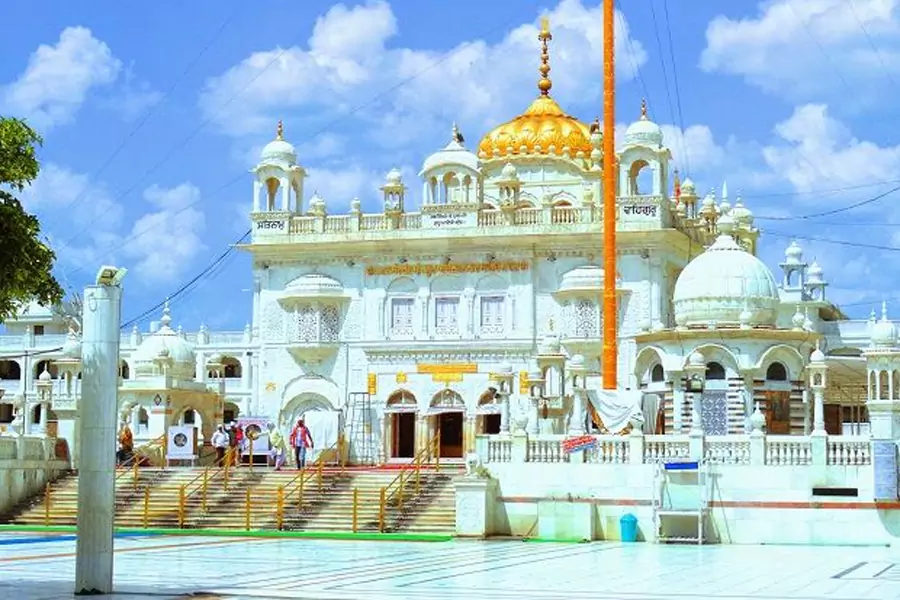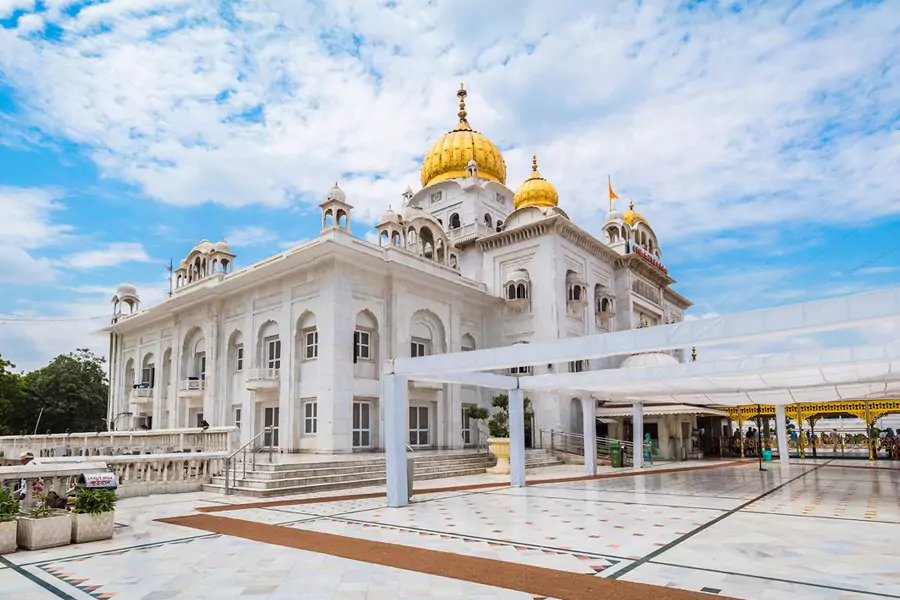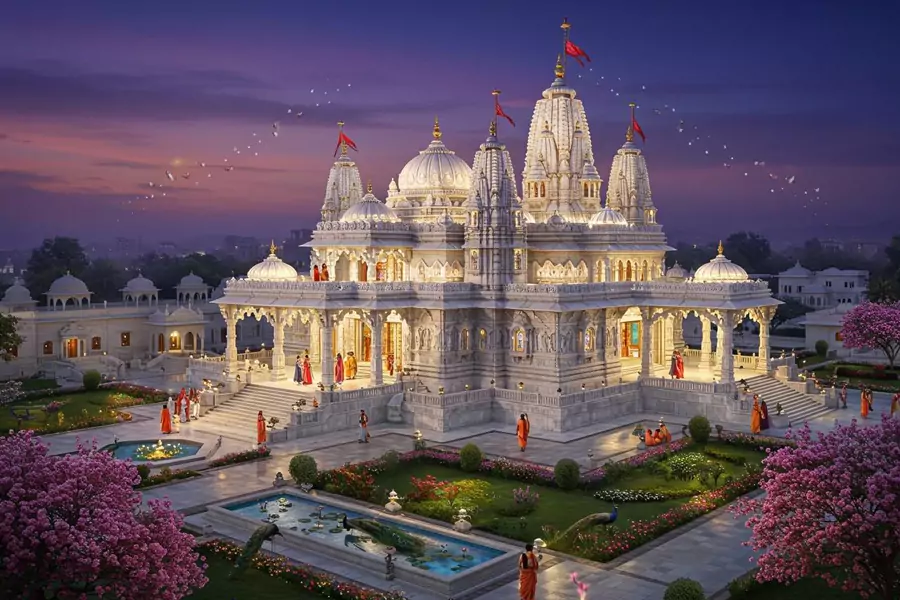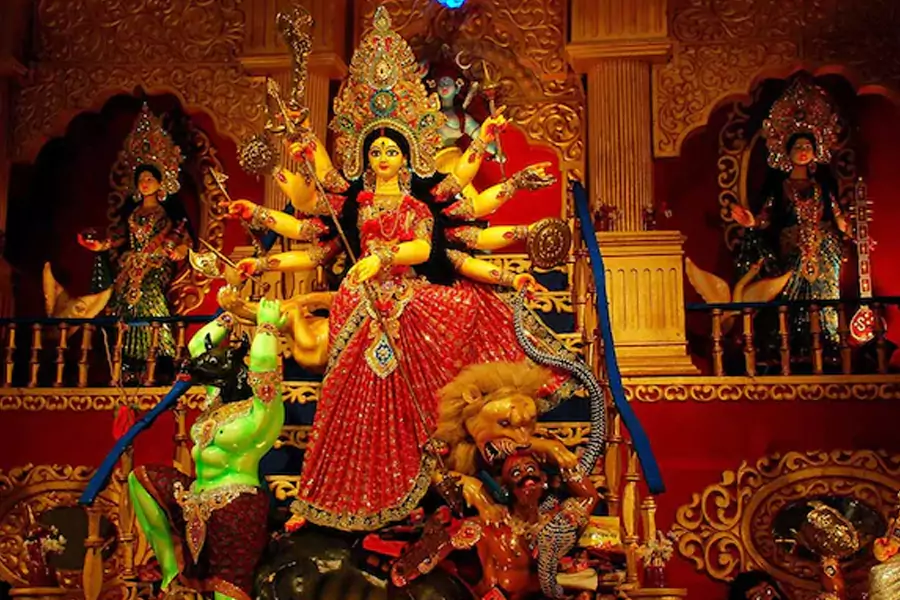

Lord Shiva, worshipped as Mahadev, Bholenath, and Shankar, is one of the three principal deities of the Hindu Trimurti, alongside Brahma and Vishnu. In the Shaiva tradition, he is worshipped as the Supreme Lord. Shiva is often portrayed as a calm yogi devoted to meditation, while forms like Nataraja and Bhairava reflect his divine power and protective nature. Across the country, devotees worship him in the sacred form of the Shivling. From Kashmir to Kanyakumari and Gujarat to Assam, Shiva Temples in India continue to inspire millions of devotees with their spiritual importance, rich history, and timeless traditions.
Here are 20 Famous Shiva Temples in India that every devotee should visit at least once:
|
Famous Shiva Temple Name |
Temple Location |
|
Shore Temple |
Mahabalipuram, Tamil Nadu |
|
Somnath Temple |
Veraval, Gujarat |
|
Lingaraj Temple |
Bhubaneswar, Odisha |
|
Kedarnath Temple |
Rudraprayag, Uttarakhand |
|
Da Parbatia Temple |
Tezpur, Assam |
|
Murudeshwar Temple |
Uttara Kannada, Karnataka |
|
Tarakeshwar Temple |
Hooghly, West Bengal |
|
Omkareshwar Temple |
Khandwa, Madhya Pradesh |
|
Trimbakeshwar Temple |
Nashik, Maharashtra |
|
Mahakaleshwar Temple |
Ujjain, Madhya Pradesh |
|
Brihadeshwara Temple |
Thanjavur, Tamil Nadu |
|
Vadakkunnathan Temple |
Thrissur, Kerala |
|
Ramanathaswamy Temple |
Rameswaram, Tamil Nadu |
|
Baba Bhootnath Mandir |
Mandi, Himachal Pradesh |
|
Baba Baidyanath Temple |
Deoghar, Jharkhand |
|
Tungnath Mahadev Temple |
Rudraprayag, Uttarakhand |
|
Kashi Vishwanath Temple |
Varanasi, Uttar Pradesh |
|
Mallikarjuna Swamy Temple |
Srisailam, Andhra Pradesh |
|
Shri Amarnath Cave Temple |
Anantnag, Jammu & Kashmir |
|
Chidambaram Nataraja Temple |
Chidambaram, Tamil Nadu |
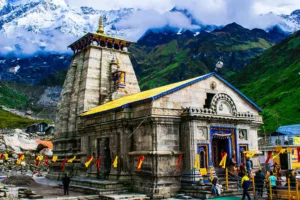
1. Kedarnath Temple (Uttarakhand)
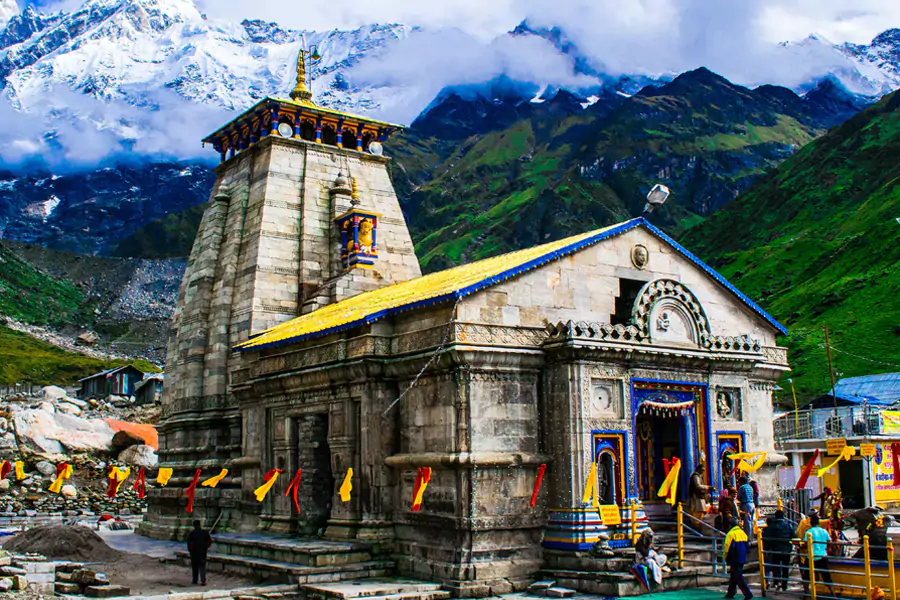
Kedarnath Temple is one of the most revered Shiva Temples in India and an important pilgrimage destination for Hindus. Nestled in the Garhwal Himalayas, it is one of the twelve Jyotirlingas and a key shrine of the Char Dham Yatra in Uttarakhand. Every year, thousands of pilgrims visit this sacred temple to seek the blessings of Baba Kedarnath.
According to Hindu tradition, the temple is associated with the Pandavas, while the present structure is believed to have been revived by Adi Shankaracharya during the 8th century. Lord Shiva is worshipped here in the form of a naturally shaped triangular Shivling. Surrounded by the snow-covered Himalayan peaks and located on the banks of the holy Mandakini River, Kedarnath is among the most famous Shiva Temples in India for both its religious significance and breathtaking location.
Location: Rudraprayag district, Uttarakhand (Altitude: 3,583 metres / 11,755 feet)
Nearby Attractions:
- Gaurikund
- Vasuki Tal
- Bhairav Nath Temple
- Chorabari Tal
Highlight:
- One of the 12 Jyotirlingas
- Part of the Char Dham Yatra
- Open only from May to November
Timings: 4:00 AM to 9:00 PM (during the pilgrimage season)
Entry: Free (donations and special pujas are optional)
2. Shri Amarnath Cave Temple (Jammu and Kashmir)
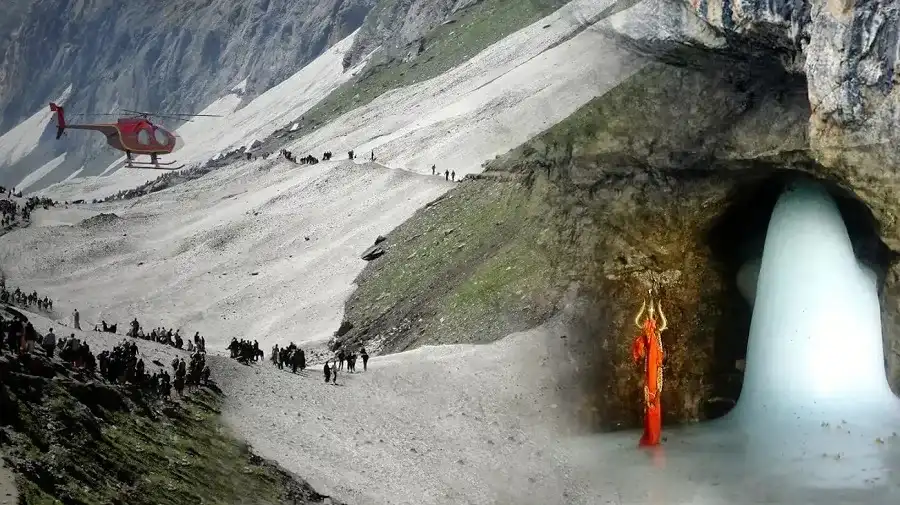
Shri Amarnath Cave Temple is one of the holiest Shiva Temples in India and an important destination for devotees of Lord Shiva. Located in Jammu and Kashmir, the sacred Amarnath Cave is one of the most revered pilgrimage sites dedicated to Lord Shiva. Every year, thousands of pilgrims undertake this challenging journey with deep faith and devotion to seek the blessings of Baba Amarnath.
According to Hindu belief, this is the cave where Lord Shiva revealed the secret of immortality to Goddess Parvati. A naturally formed ice Shivling appears inside the cave during the yatra season, making it one of the most sacred pilgrimage sites in the country. The demanding trek, breathtaking mountain scenery, and spiritual atmosphere make Amarnath one of the most famous Shiva Temples in India.
Location: Pahalgam / Baltal route, Anantnag district, Jammu and Kashmir, 3,888 metres (12,756 feet)
Nearby Attractions:
- Pahalgam
- Chandanwari
- Sheshnag Lake
- Mahagunas Top
Highlight:
- Natural ice Shivling forms during the yatra season
- Annual pilgrimage held between July and August (dates vary)
- Registration through Shri Amarnathji Shrine Board is mandatory
Timings: Open only during the annual yatra season
Entry: Registration fee applicable
3. Lingaraj Temple (Odisha)
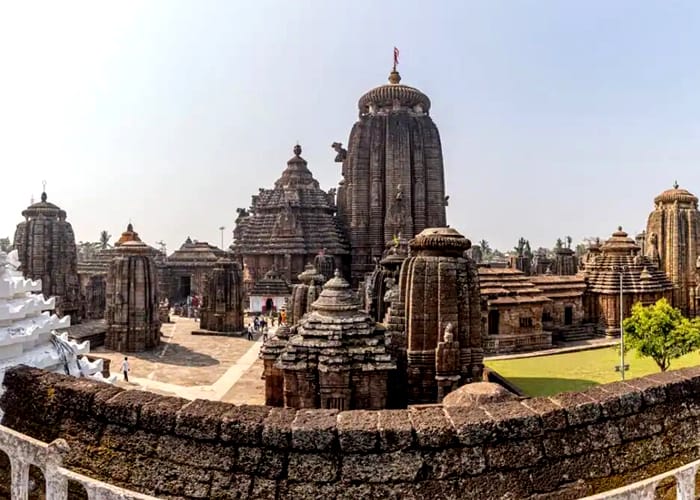
Lingaraj Temple is one of the oldest and most revered Shiva Temples in India. Located in Bhubaneswar, this magnificent temple is dedicated to Harihara, a combined form of Lord Shiva and Lord Vishnu. Renowned for its stunning Kalinga-style architecture, the temple is among the city’s most important religious and historical landmarks.
Built by the Somavamsi rulers, the temple reached its present form during the 11th century. The towering shikhara, detailed stone carvings, and beautifully designed temple complex reflect the rich architectural heritage of Odisha. Dedicated to the Shivling form of Lord Shiva, Lingaraj Temple continues to attract devotees and history lovers throughout the year.
Location: Bhubaneswar, Odisha
Nearby Attractions:
- Mukteshwar Temple
- Rajarani Temple
- Odisha State Museum
Highlight:
- Famous Kalinga-style architecture
- 55-metre-high temple tower
- Grand Maha Shivratri celebrations
Timings: 6:00 AM to 9:00 PM
Entry: Free (Non-Hindus can view the temple from the designated platform)
4. Shore Temple (Tamil Nadu)
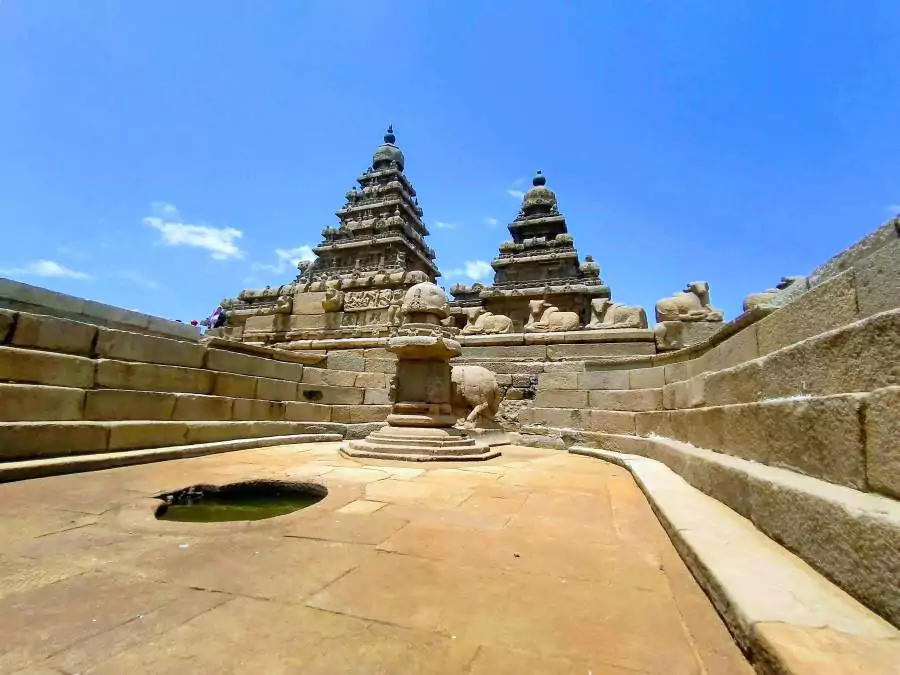
The Shore Temple is one of the oldest structural Shiva Temples in India and a remarkable example of ancient South Indian architecture. Located in Mahabalipuram on the coast of the Bay of Bengal, the temple was built during the reign of the Pallava dynasty between 700 and 728 CE. Today, it is recognised as part of the UNESCO World Heritage Site of the Group of Monuments at Mahabalipuram.
In ancient times, the temple also served as a landmark for ships approaching the historic port of Mahabalipuram. The complex includes two shrines dedicated to Lord Shiva and one shrine dedicated to Lord Vishnu. Its seaside location and remarkable stone architecture make it one of the best Shiva Temples in India to explore.
Location: Mahabalipuram (Mamallapuram), Tamil Nadu
Nearby Attractions:
- Five Rathas
- Arjuna’s Penance
- Mahabalipuram Beach
Highlight:
- UNESCO World Heritage Site
- One of South India’s oldest structural stone temples
- Built between 700 and 728 CE
Timings: 6:00 AM to 6:00 PM
Entry: ₹40 for Indian visitors, ₹600 for foreign visitors
5. Baba Baidyanath Temple (Jharkhand)
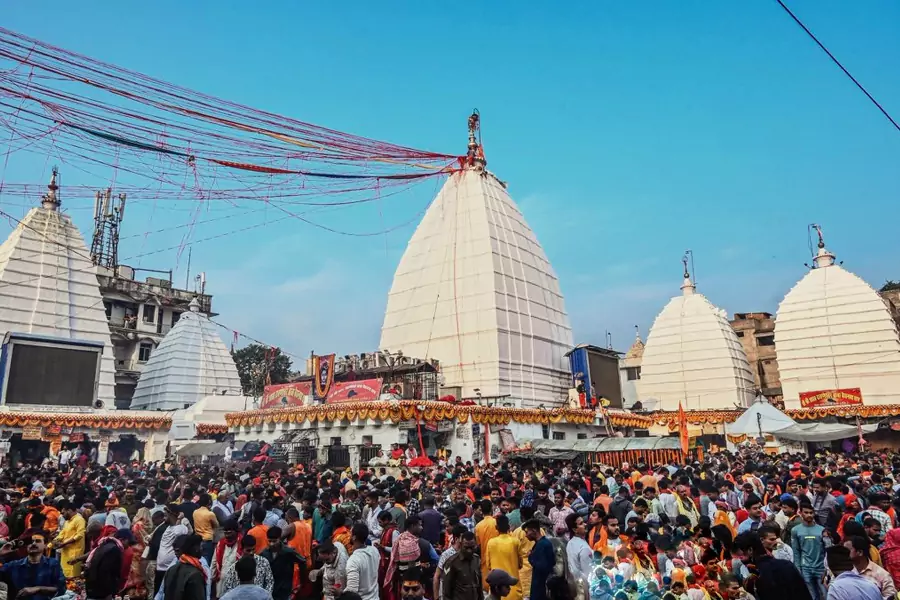
Baba Baidyanath Temple is one of the twelve Jyotirlingas and among the most sacred Shiva Temples in India. Located in Deoghar, Jharkhand, Baba Baidyanath Temple is one of the twelve Jyotirlingas and an important pilgrimage site for Lord Shiva devotees. Every year, millions of pilgrims visit the temple, especially during the holy month of Shravan.
According to Hindu tradition, Ravana worshipped Lord Shiva at this sacred place to receive his blessings. The temple becomes especially vibrant during the Kanwar Yatra, when Kanwariyas carry holy Ganga water over long distances to offer it to Baba Baidyanath. Its religious significance and centuries-old traditions make it one of the most popular Shiva Temples in India.
Location: Deoghar, Jharkhand
Nearby Attractions:
- Nandan Pahad
- Trikoot Parvat
- Satsang Ashram
Highlight:
- One of the 12 Jyotirlingas
- Famous Kanwar Yatra during Shravan
- Millions of devotees visit every year
Timings: 4:00 AM to 9:00 PM
Entry: Free
6. Trimbakeshwar Temple (Maharashtra)

Trimbakeshwar Temple is one of the twelve Jyotirlingas and among the most revered Shiva Temples in India. Located near Nashik, this sacred temple stands at the foothills of Brahmagiri Hill, where the holy Godavari River originates. It is an important pilgrimage destination for devotees seeking the blessings of Lord Shiva.
The present temple was built by Peshwa Balaji Bajirao in the traditional Hemadpanthi style using black stone. One of its unique features is the sanctum, which houses three small lingas representing Brahma, Vishnu, and Mahesh. Its spiritual significance, impressive architecture, and connection with the Kumbh Mela make Trimbakeshwar one of the most famous Shiva Temples in India.
Location: Trimbak, 28 km from Nashik, Maharashtra
Nearby Attractions:
- Brahmagiri Hill
- Godavari River Source
- Gangadwar
Highlight:
- One of the 12 Jyotirlingas
- Three-faced linga representing Brahma, Vishnu, and Mahesh
- Associated with the Nashik Kumbh Mela
Timings: 5:30 AM to 9:00 PM
Entry: Free
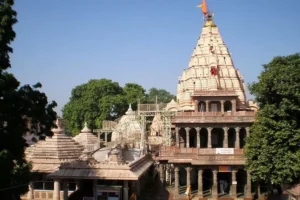
7. Mahakaleshwar Temple (Madhya Pradesh)
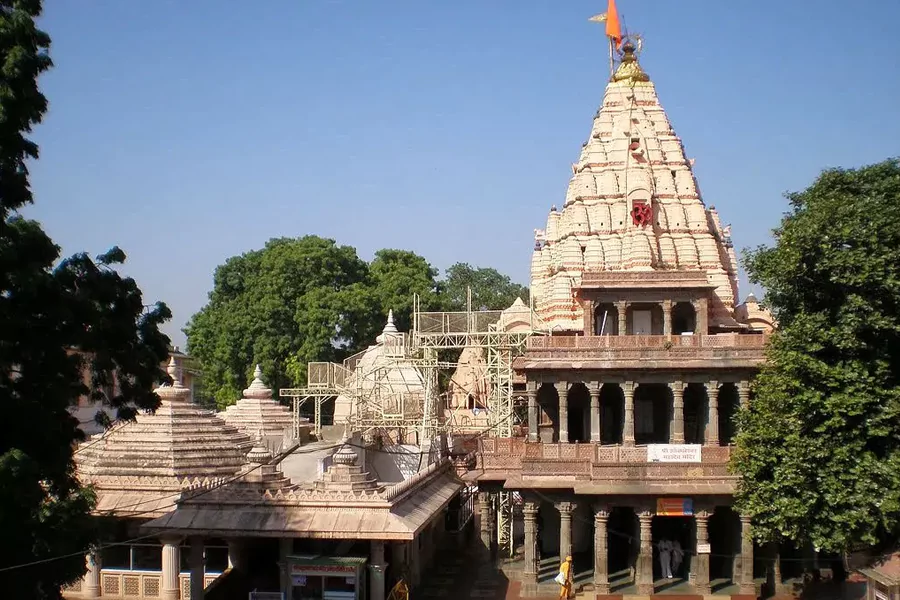
Mahakaleshwar Temple is one of the most sacred Shiva Temples in India and an important Jyotirlinga shrine. Situated on the banks of the Shipra River in Ujjain, the temple attracts millions of devotees throughout the year. It is regarded as one of the holiest places to worship Lord Shiva.
The presiding deity is a Swayambhu Jyotirlinga, believed to have appeared on its own. Mahakaleshwar is also the only south-facing Jyotirlinga among the twelve, making it unique. The temple is especially known for its early morning Bhasma Aarti, one of the most revered rituals dedicated to Lord Shiva.
Location: Ujjain, Madhya Pradesh
Nearby Attractions:
- Kal Bhairav Temple
- Sandipani Ashram
- Ram Ghat
- Harsiddhi Temple
Highlight:
- One of the 12 Jyotirlingas
- Only south-facing (Dakshin Mukhi) Jyotirlinga
- Famous Bhasma Aarti held every morning
Timings: 4:00 AM to 11:00 PM
Entry: Free
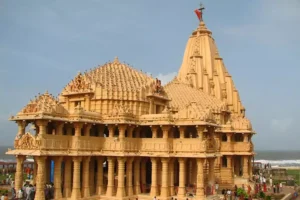
8. Somnath Temple (Gujarat)
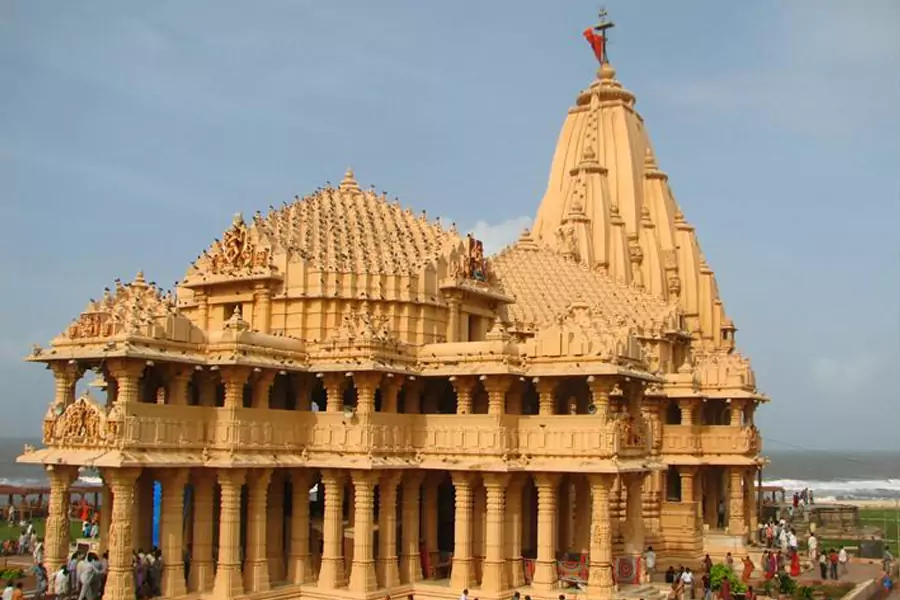
Somnath Temple is one of the oldest and most celebrated Shiva Temples in India. Located at Prabhas Patan on the western coast of Gujarat, this sacred shrine is the first among the twelve Jyotirlingas. Its location beside the Arabian Sea adds to its spiritual charm and scenic beauty.
Over the centuries, Somnath Temple has been rebuilt several times after facing repeated destruction, making it a symbol of faith and resilience. Built in the Chalukya style of architecture, the temple also features a museum and an evening light and sound show that highlights its rich history.
Location: Prabhas Patan (Veraval), Gujarat
Nearby Attractions:
- Bhalka Tirth
- Triveni Sangam
- Gita Mandir
- Somnath Beach
Highlight:
- First among the 12 Jyotirlingas
- Beautiful seaside location
- Evening Light and Sound Show
Timings: 6:00 AM to 9:00 PM
Entry: Free (Light and Sound Show charges apply)
9. Tarakeshwar Temple (West Bengal)
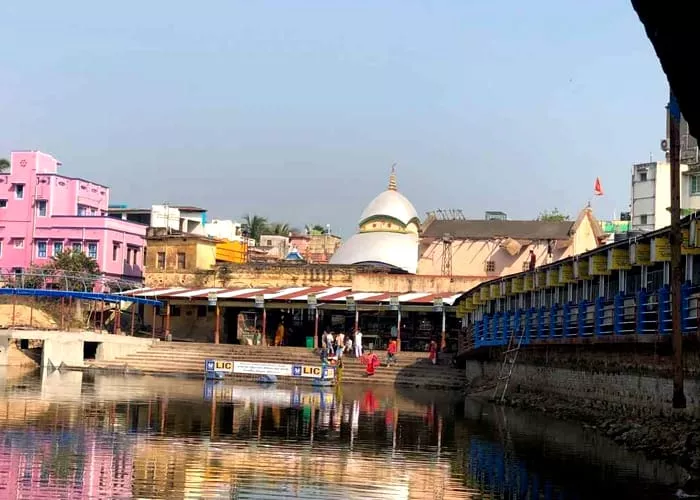
Tarakeshwar Temple, also known as Taraknath Temple, is one of the most visited Shiva Temples in India and the leading Shiva pilgrimage site in West Bengal. Dedicated to Lord Taraknath, the temple welcomes thousands of devotees throughout the year, especially during the Shravan month and Maha Shivratri.
Built in the traditional Bengali temple style, the shrine is known for its peaceful atmosphere and religious importance. A sacred pond known as Dudh Pukur is located within the temple complex, where many devotees perform rituals before offering prayers to Lord Shiva.
Location: Tarakeshwar, Hooghly district, West Bengal
Nearby Attractions:
- Hooghly Imambara
- Bandel Church
- Triveni Sangam
Highlight:
- Major Shiva pilgrimage centre in West Bengal
- Famous during Shravan and Maha Shivratri
- Sacred Dudh Pukur within the temple complex
Timings: 5:00 AM to 9:30 PM
Entry: Free
10. Kashi Vishwanath Temple (Uttar Pradesh)
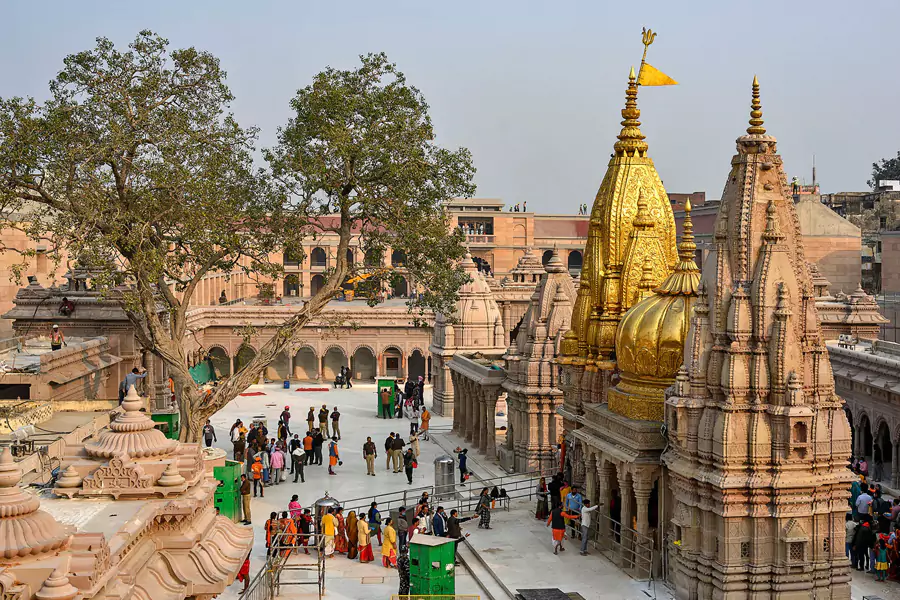
Kashi Vishwanath Temple is one of the holiest Shiva Temples in India and among the twelve Jyotirlingas. Located in the sacred city of Varanasi on the western bank of the River Ganga, the temple has been a major centre of faith for centuries. Devotees believe that a visit to Kashi Vishwanath brings spiritual liberation and the blessings of Lord Shiva.
The present temple was rebuilt by Maharani Ahilyabai Holkar in 1780 after earlier structures were destroyed over different periods of history. The temple is crowned with a gold-plated spire, while the Kashi Vishwanath Corridor has made access to the shrine more convenient for pilgrims. Its deep spiritual significance makes it one of the most famous Shiva Temples in India.
Location: Vishwanath Gali, Varanasi, Uttar Pradesh
Nearby Attractions:
- Dashashwamedh Ghat
- Kashi Vishwanath Corridor
- Kaal Bhairav Temple
- Ganga Aarti
Highlight:
- One of the 12 Jyotirlingas
- Gold-plated temple spire
- Direct access to the Ganga through the Kashi Vishwanath Corridor
Timings: 3:00 AM to 11:00 PM
Entry: Free
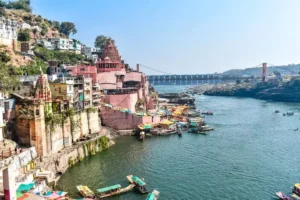
11. Omkareshwar Temple (Madhya Pradesh)
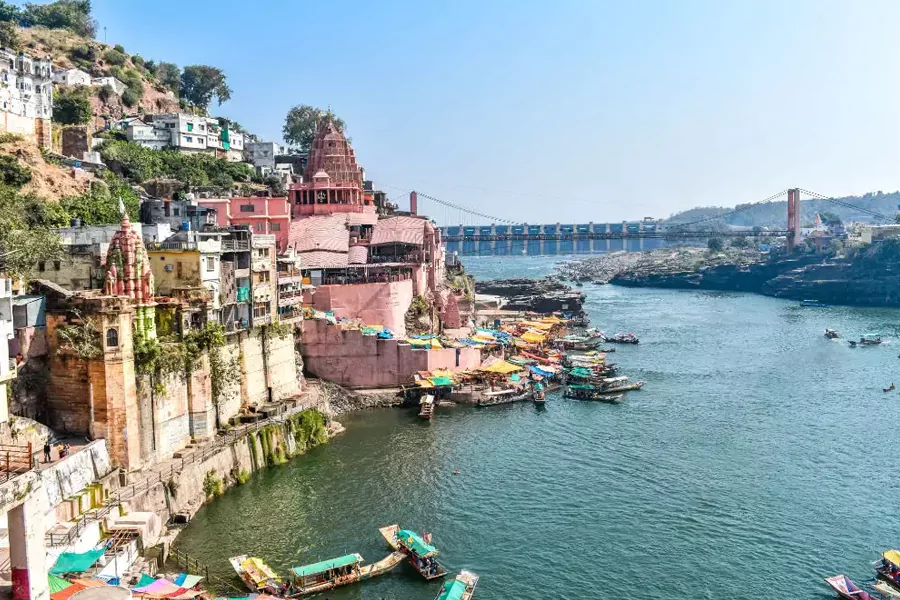
Omkareshwar Temple is one of the twelve Jyotirlingas and among the most sacred Shiva Temples in India. Located on Mandhata Island in the Narmada River, this holy temple is dedicated to Lord Shiva in his Omkar form. The island is believed to resemble the sacred “Om” symbol, making it a highly revered pilgrimage destination.
According to Hindu tradition, Lord Shiva appeared here after being pleased with the devotion of Vindhya Parvat. The temple follows elaborate daily rituals, and devotees from across the country visit to seek the blessings of Omkareshwar Mahadev. Its peaceful riverside setting and spiritual importance make it one of the most famous Shiva Temples in India.
Location: Mandhata Island, Khandwa district, Madhya Pradesh
Nearby Attractions:
- Mamleshwar Temple
- Siddhanath Temple
- Gauri Somnath Temple
- Narmada Boat Ride
Highlight:
- One of the 12 Jyotirlingas
- Sacred island shaped like “Om”
- Scenic boat ride on the Narmada River
Timings: 5:00 AM to 9:30 PM
Entry: Free (Boat ride charges extra)
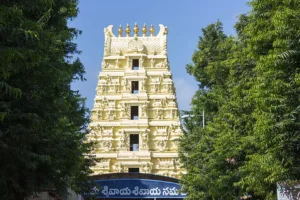
12. Mallikarjuna Swamy Temple (Andhra Pradesh)
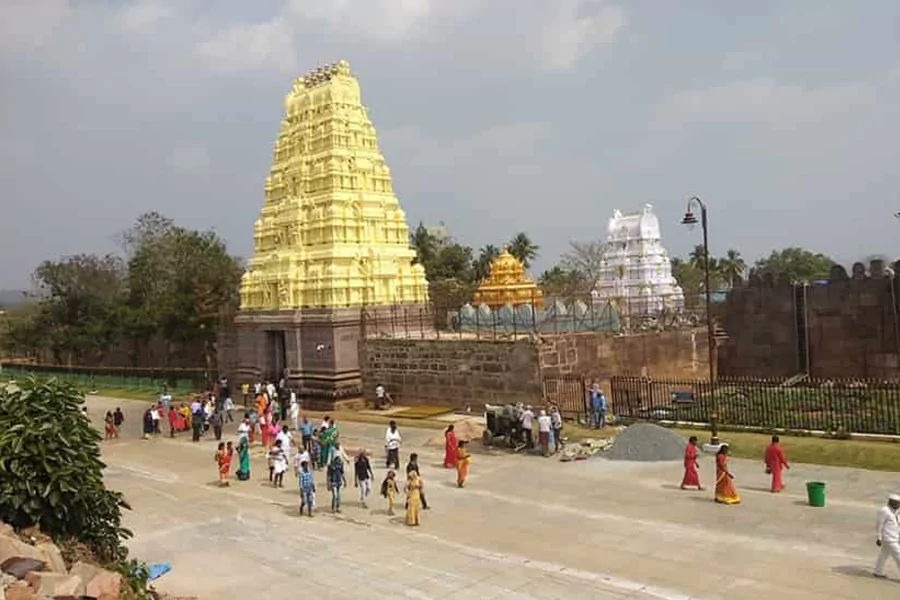
Mallikarjuna Swamy Temple is one of the holiest Shiva Temples in India and an important Jyotirlinga pilgrimage site. Located in Srisailam amidst the Nallamala Hills, the temple is dedicated to Lord Shiva as Mallikarjuna and Goddess Parvati as Bhramaramba. It is one of the few places where both a Jyotirlinga and a Shakti Peetha are located together.
Built in the traditional Dravidian style, the temple is admired for its impressive architecture and spiritual atmosphere. Devotees believe that worshipping here brings peace, prosperity, and spiritual fulfilment, making it one of the best Shiva Temples in India to visit.
Location: Srisailam, Andhra Pradesh
Nearby Attractions:
- Bhramaramba Devi Temple
- Srisailam Dam
- Akkamahadevi Caves
Highlight:
- One of the 12 Jyotirlingas
- Also home to a Shakti Peetha
- Beautiful Dravidian-style architecture
Timings: 4:30 AM to 10:00 PM
Entry: Free
13. Brihadeshwara Temple (Tamil Nadu)
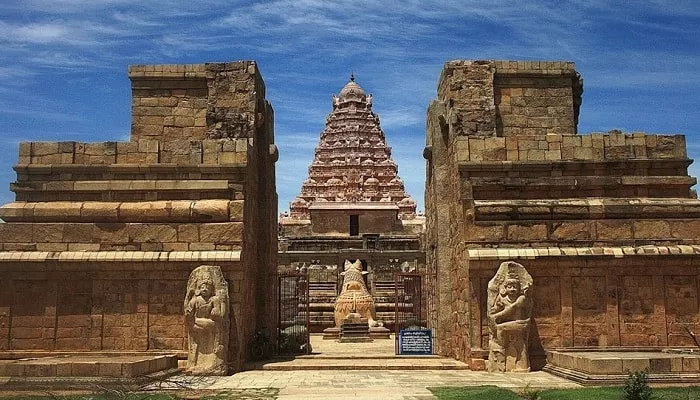
Brihadeshwara Temple, also known as Brihadeeswarar Temple, is one of the finest examples of Chola architecture and among the most remarkable Shiva Temples in India. Located in Thanjavur, this UNESCO World Heritage Site was built by Emperor Rajaraja I between 1003 and 1010 CE and continues to attract devotees and history enthusiasts from around the world.
Constructed entirely from granite, the temple is renowned for its towering 66-metre (216-foot) vimana, intricate carvings, and remarkable engineering. Its architectural brilliance and religious importance make it one of the most famous Shiva Temples in India.
Location: Thanjavur, Tamil Nadu
Nearby Attractions:
- Brihadeeswarar Temple Museum
- Thanjavur Palace
- Saraswati Mahal Library
Highlight:
- UNESCO World Heritage Site
- 66-metre (216-foot) vimana
- Outstanding Chola architecture
Timings: 6:00 AM to 12:30 PM | 4:00 PM to 8:30 PM
Entry: Free
14. Tungnath Mahadev Temple (Uttarakhand)

Tungnath Mahadev Temple is the world’s highest Shiva Temple in India and the third temple of the sacred Panch Kedar circuit. Situated at an altitude of 3,680 metres in the Garhwal Himalayas, this ancient shrine is surrounded by breathtaking mountain views and offers a deeply spiritual experience.
According to Hindu tradition, the temple was established by the Pandavas while seeking Lord Shiva after the Mahabharata war. A scenic 3.5 km trek from Chopta leads to the temple, while an additional trek takes pilgrims to Chandrashila Peak for spectacular Himalayan views. Its natural beauty and religious significance make Tungnath one of the most popular Shiva Temples in India.
Location: Rudraprayag district, Uttarakhand, (Altitude: 3,680 metres / 12,073 feet)
Nearby Attractions:
- Chopta
- Chandrashila Peak
- Deoria Tal
Highlight:
- World’s highest Shiva temple
- Third temple of Panch Kedar
- Easy and scenic trek from Chopta
Timings: 6:00 AM to 7:00 PM (May to November)
Entry: Free
15. Da Parbatia Temple (Assam)
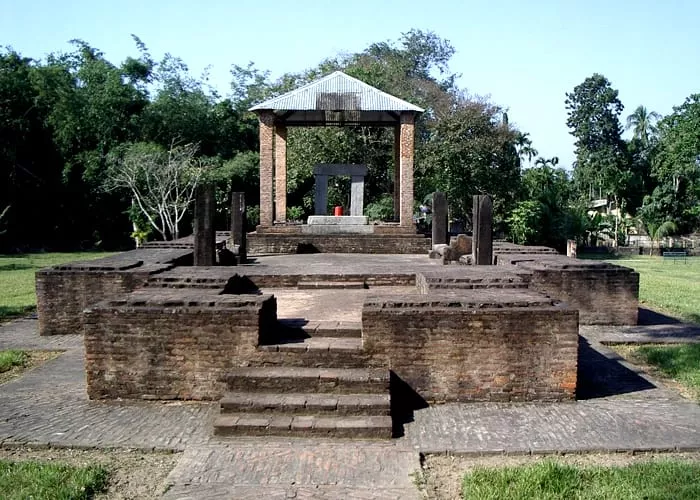
Da Parbatia Temple is one of the oldest Shiva Temples in India and an important archaeological site in Assam. Located near Tezpur, the temple dates back to the 5th or 6th century CE and is protected by the Archaeological Survey of India. Although much of the original structure no longer survives, its beautifully carved doorway remains one of the finest examples of early temple art in India.
The temple reflects the rich cultural heritage of ancient Assam and is admired for its detailed stone carvings and historical significance. It is an ideal destination for visitors interested in both spirituality and history.
Location: Near Tezpur, Sonitpur district, Assam
Nearby Attractions:
- Agnigarh Hill
- Chitralekha Udyan
- Cole Park
- Tezpur Town
Highlight:
- One of Assam’s oldest Hindu temples
- Dates back to the 5th-6th century CE
- Protected by the Archaeological Survey of India
Timings: Sunrise to Sunset
Entry: Free
16. Murudeshwar Temple (Karnataka)
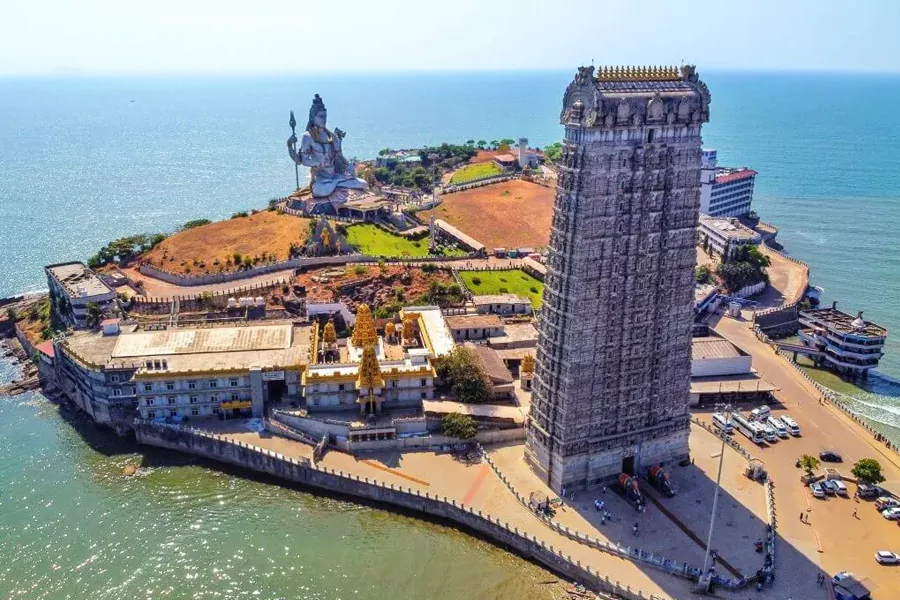
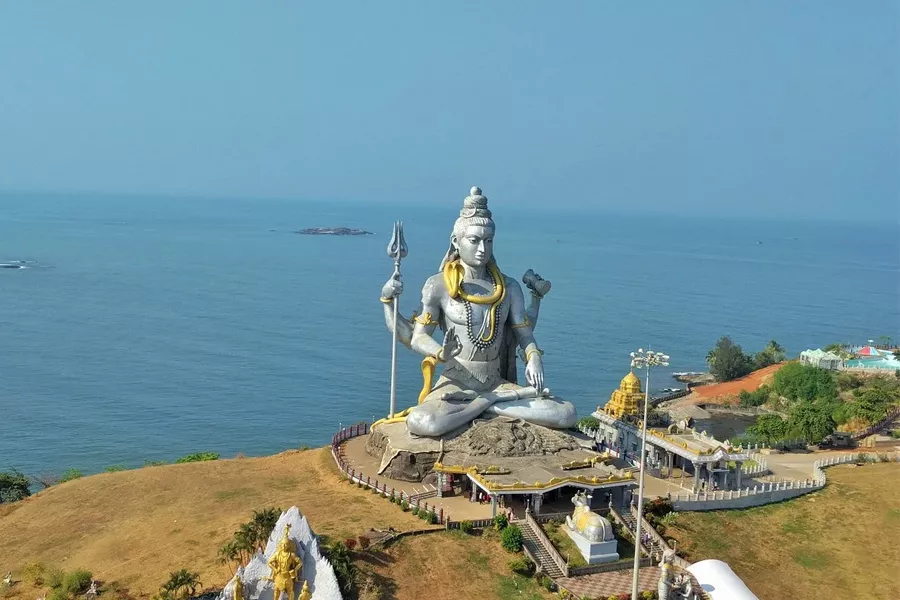
Murudeshwar Temple is one of the most spectacular Shiva Temples in India, known for its stunning seaside location and towering statue of Lord Shiva. Situated in Uttara Kannada district, the temple stands on the Kanduka Hill, surrounded by the Arabian Sea on three sides. Its scenic setting and spiritual atmosphere attract pilgrims and tourists throughout the year.
The temple is famous for one of the tallest statues of Lord Shiva in the world, making it a prominent landmark in Karnataka. While the temple complex has been renovated over time, the sanctum continues to preserve its traditional character. The legends associated with Ravana and the Atma Linga add to the temple’s religious significance.
Location: Murudeshwar, Uttara Kannada, Karnataka
Nearby Attractions:
- Netrani Island
- Om Beach, Gokarna
- Mirjan Fort
Highlight:
- One of the tallest Lord Shiva statues in the world
- Temple surrounded by the Arabian Sea
- Popular pilgrimage and coastal tourist destination
Timings: 6:00 AM to 8:30 PM
Entry: Free
17. Vadakkunnathan Temple (Kerala)
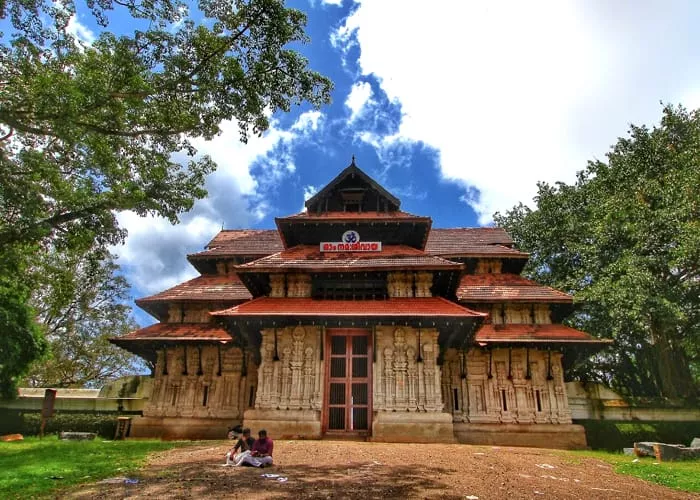
Vadakkunnathan Temple is one of the oldest Shiva Temples in India and an important spiritual landmark in Kerala. Located in Thrissur, this ancient temple is dedicated to Lord Shiva and is admired for its classic Kerala-style architecture, beautiful murals, and peaceful surroundings. The temple is recognised as a protected monument by the Archaeological Survey of India (ASI).
The temple complex covers nearly nine acres and houses shrines dedicated to Lord Shiva, Lord Vishnu, and Lord Rama. It is also the centre of the world-famous Thrissur Pooram festival, one of Kerala’s grandest temple celebrations. Its cultural and religious importance makes it one of the most famous Shiva Temples in India.
Location: Thrissur, Kerala
Nearby Attractions:
- Kerala Sahitya Akademi
- Thrissur Zoo
- Shakthan Thampuran Palace
Highlight:
- One of Kerala’s oldest Shiva temples
- Venue of the famous Thrissur Pooram festival
- Protected by the Archaeological Survey of India
Timings: 4:00 AM to 10:30 AM | 5:00 PM to 8:30 PM
Entry: Free (Non-Hindus are not permitted inside the main sanctum)
18. Ramanathaswamy Temple (Tamil Nadu)
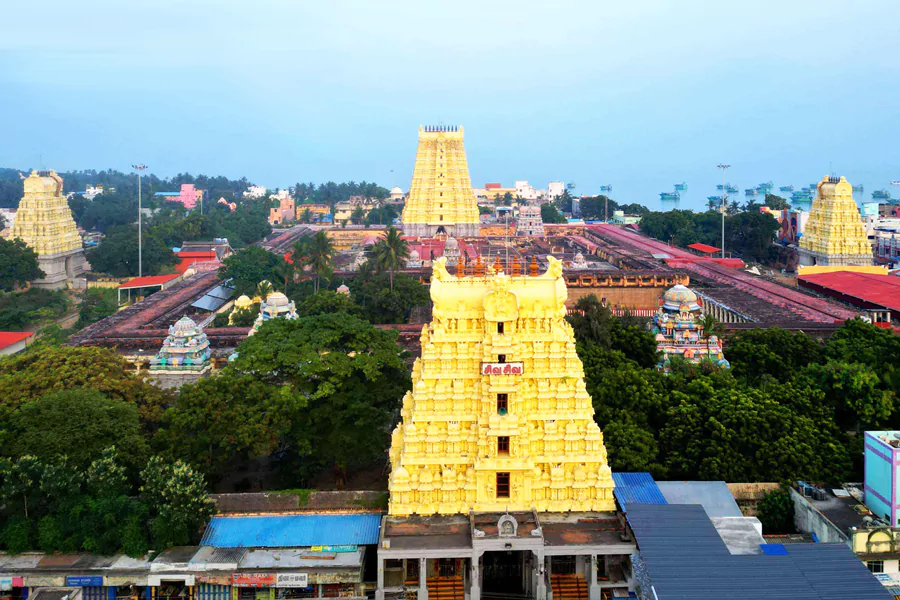
Ramanathaswamy Temple is one of the holiest Shiva Temples in India and holds a unique place as both a Jyotirlinga shrine and one of the four Char Dham pilgrimage sites. Located on Rameswaram Island, the temple is closely associated with Lord Rama, who is believed to have worshipped Lord Shiva here before his journey to Lanka.
The temple is renowned for its magnificent corridors, which are considered the longest among Hindu temples in the world. Its beautifully carved pillars, grand architecture, and deep spiritual significance make it one of the best Shiva Temples in India for pilgrims and history lovers alike.
Location: Rameswaram Island, Tamil Nadu
Nearby Attractions:
- Dhanushkodi
- Pamban Bridge
- Agni Theertham
- Ram Setu View Point
Highlight:
- One of the 12 Jyotirlingas
- Part of the Char Dham pilgrimage
- World’s longest temple corridor
Timings: 5:00 AM to 9:00 PM
Entry: Free
19. Baba Bhootnath Temple (Himachal Pradesh)
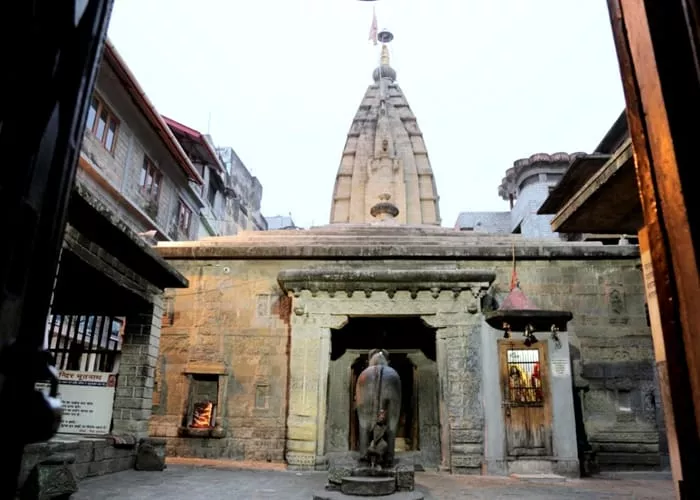
Baba Bhootnath Temple is one of the oldest Shiva Temples in India and an important place of worship in Himachal Pradesh. Located in the heart of Mandi, the temple was built during the 16th century by Raja Ajbar Sen and has remained a major centre of religious and cultural activities ever since.
According to local tradition, Raja Ajbar Sen discovered the sacred Shivling after receiving divine guidance in a dream. Today, the temple is best known for hosting the International Mandi Shivratri Festival, which attracts thousands of devotees and visitors every year.
Location: Mandi, Himachal Pradesh
Nearby Attractions:
- Rewalsar Lake
- Prashar Lake
- Pandoh Dam
- Mandi Market
Highlight:
- Historic Shiva temple in Mandi
- Famous International Mandi Shivratri Festival
- Important cultural landmark of Himachal Pradesh
Timings: 6:00 AM to 8:00 PM
Entry: Free
20. Chidambaram Nataraja Temple (Tamil Nadu)
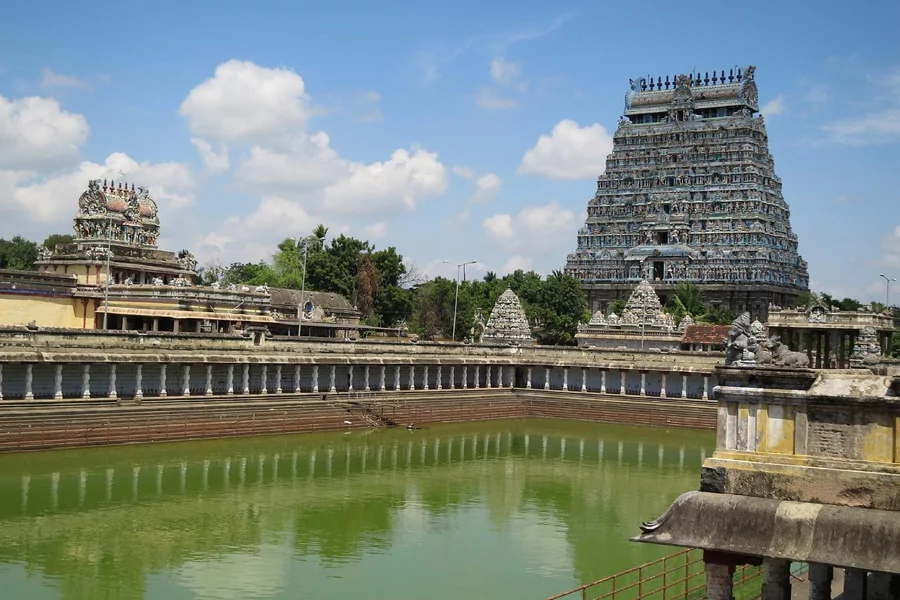
Chidambaram Nataraja Temple is one of the most revered Shiva Temples in India, known for its deep spiritual and religious significance. Located in Chidambaram, Tamil Nadu, the temple is dedicated to Lord Shiva in his Nataraja form, symbolising the cosmic dance of creation and destruction. It is also one of the revered Pancha Bhuta Stalas, representing the element of Akasha (space).
The temple complex features four magnificent gopurams adorned with intricate sculptures and a sacred golden-roofed sanctum. Its centuries-old traditions, remarkable architecture, and deep spiritual significance make it one of the most famous Shiva Temples in India.
Location: Chidambaram, Cuddalore district, Tamil Nadu
Nearby Attractions:
- Pichavaram Mangrove Forest
- Thillai Kali Amman Temple
- Muthupet Lagoon
Highlight:
- Pancha Bhuta Stala representing the element of space
- Dedicated to Lord Shiva as Nataraja
- One of Tamil Nadu’s oldest living temples
Timings: 6:00 AM to 12:00 PM | 5:00 PM to 10:00 PM
Entry: Free
Top 20 Famous Shiva Temples in India: Quick Reference
| Temple | Location | Type | Timings |
|---|---|---|---|
| Kedarnath | Rudraprayag, Uttarakhand | Jyotirlinga + Char Dham | 4 AM–9 PM (May–Nov) |
| Amarnath | Anantnag, J&K | Cave temple; Yatra site | Yatra season only |
| Lingaraj | Bhubaneswar, Odisha | 11th century Kalinga | 6 AM–9 PM |
| Shore Temple | Mahabalipuram, TN | UNESCO Heritage (700 AD) | 6 AM–6 PM |
| Baidyanath | Deoghar, Jharkhand | Jyotirlinga (9th) | 4 AM–9 PM |
| Trimbakeshwar | Nashik, Maharashtra | Jyotirlinga (11th) | 5:30 AM–9 PM |
| Mahakaleshwar | Ujjain, MP | Jyotirlinga (3rd, S-facing) | 4 AM–11 PM |
| Somnath | Veraval, Gujarat | Jyotirlinga (1st) | 6 AM–9 PM |
| Tarakeshwar | Hooghly, West Bengal | Bangla style Shiva shrine | 5 AM–9:30 PM |
| Kashi Vishwanath | Varanasi, UP | Jyotirlinga (7th) | 3 AM–11 PM |
| Omkareshwar | Khandwa, MP | Jyotirlinga (4th); Om island | 5 AM–9:30 PM |
| Mallikarjuna | Srisailam, AP | Jyotirlinga + Shakti Peetha | 4:30 AM–10 PM |
| Brihadeshwara | Thanjavur, TN | UNESCO; 216 ft Vimana | 6 AM–12:30 PM | 4–8:30 PM |
| Tungnath | Rudraprayag, UK | World’s highest (3,680 m) | 6 AM–7 PM (May–Nov) |
| Da Parbatia | Tezpur, Assam | 5th–6th c; ASI monument | Sunrise–Sunset |
| Murudeshwar | Uttara Kannada, KA | Tallest Shiva statue | 6 AM–8:30 PM |
| Vadakkunnathan | Thrissur, Kerala | ASI-protected; Kerala arch. | 4 AM–10:30 AM | 5–8:30 PM |
| Ramanathaswamy | Rameswaram, TN | Jyotirlinga + Char Dham | 5 AM–9 PM |
| Baba Bhootnath | Mandi, Himachal Pradesh | 15th century; Shivratri Fair | 6 AM–8 PM |
| Chidambaram | Cuddalore dist., TN | Pancha Bhuta Stala (Akasha) | 6 AM–12 PM | 5–10 PM |
Conclusion
The Shiva Temples in India are more than just places of worship. They reflect the country’s rich spiritual heritage, timeless traditions, and remarkable temple architecture. From the snow-covered Kedarnath Temple in Uttarakhand to the sacred Ramanathaswamy Temple in Tamil Nadu and the coastal Somnath Temple in Gujarat, each shrine has its own history, beliefs, and significance.
Whether you are planning a Jyotirlinga Yatra, a Char Dham pilgrimage, or simply wish to explore the most famous Shiva Temples in India, these sacred destinations offer a deeply fulfilling spiritual experience. Every temple on this list provides an opportunity to seek the blessings of Lord Shiva while discovering the cultural and religious heritage that has inspired devotees for centuries.
Frequently Asked Questions
Q1. Which are the most famous Shiva Temples in India?
Some of the most famous Shiva Temples in India include Kedarnath Temple, Kashi Vishwanath Temple, Somnath Temple, Mahakaleshwar Temple, Omkareshwar Temple, Trimbakeshwar Temple, Ramanathaswamy Temple, Mallikarjuna Swamy Temple, Baidyanath Temple, Amarnath Cave Temple, Tungnath Temple, Murudeshwar Temple, Lingaraj Temple, and Chidambaram Nataraja Temple.
Q2. How many Shiva Temples are there in India?
India is home to lakhs of Shiva Temples, ranging from ancient shrines to modern temples. While the exact number is unknown, every state has numerous temples dedicated to Lord Shiva. Among them, the 12 Jyotirlingas, Panch Kedar temples, and Pancha Bhuta Stalas are considered the most sacred.
Q3. Which is the biggest Shiva Temple in India?
Brihadeshwara Temple in Thanjavur is one of the largest Shiva Temples in India and is renowned for its magnificent Chola architecture. Ramanathaswamy Temple in Rameswaram is also famous for having the world’s longest temple corridor.
Q4. Which is the highest Shiva Temple in the world?
Tungnath Temple in Uttarakhand is recognised as the highest Shiva temple in the world. Situated at an altitude of 3,680 metres (12,073 feet), it is the third temple of the sacred Panch Kedar circuit.
Q5. What is the difference in altitude between Tungnath and Kedarnath?
Tungnath Temple stands at an altitude of 3,680 metres, while Kedarnath Temple is located at 3,583 metres above sea level. The difference between the two temples is approximately 97 metres (318 feet).
Q6. Is Vadakkunnathan Temple a UNESCO World Heritage Site?
No. Vadakkunnathan Temple is a protected monument under the Archaeological Survey of India (ASI), but it is not a UNESCO World Heritage Site.
Q7. What are the 12 Jyotirlingas of Lord Shiva?
The 12 Jyotirlingas are Somnath, Mallikarjuna, Mahakaleshwar, Omkareshwar, Kedarnath, Bhimashankar, Kashi Vishwanath, Trimbakeshwar, Baidyanath, Nageshwar, Ramanathaswamy, and Grishneshwar.
Q8. Why is Brihadeshwara Temple famous?
Brihadeshwara Temple is famous for its magnificent Chola architecture, UNESCO World Heritage status, and its towering 66-metre (216-foot) vimana. It is regarded as one of the finest examples of ancient temple architecture in India.
Q9. What is special about Mahakaleshwar Temple?
Mahakaleshwar Temple is one of the 12 Jyotirlingas and is the only south-facing (Dakshin Mukhi) Jyotirlinga. It is also well known for the daily Bhasma Aarti, one of the temple’s most revered rituals.
Q10. Can non-Hindus visit Shiva Temples in India?
Most Shiva Temples in India welcome visitors from all faiths. However, some temples, such as Lingaraj Temple and Vadakkunnathan Temple, have entry restrictions inside the main shrine. Visitors should always check the latest temple guidelines before planning their visit.
Q11. What is the best time to visit Shiva Temples in India?
The best time to visit most Shiva Temples in India is between October and March, when the weather is pleasant. Himalayan temples such as Kedarnath, Tungnath, and Amarnath remain open only during the pilgrimage season. Maha Shivratri is also considered one of the most auspicious times to visit Shiva temples.
Q12. What are the Panch Kedar temples?
The Panch Kedar consists of five sacred Shiva temples in Uttarakhand: Kedarnath, Tungnath, Rudranath, Madhyamaheshwar, and Kalpeshwar. These temples are closely associated with the legend of the Pandavas and hold great religious importance in Hinduism.
Q13. Why is the Shore Temple famous?
The Shore Temple in Mahabalipuram is famous for its ancient Pallava architecture and UNESCO World Heritage status. Built between 700 and 728 CE, it is one of the oldest structural stone temples in South India.
Q14. Why is the Amarnath Cave Temple important?
The Amarnath Cave Temple is one of the most revered shrines of Lord Shiva and an important pilgrimage destination for devotees. According to Hindu belief, Lord Shiva revealed the secret of immortality to Goddess Parvati inside this sacred cave. The naturally formed ice Shivling is the main attraction during the annual Amarnath Yatra.
Q15. What is Chidambaram Nataraja Temple known for?
Chidambaram Nataraja Temple is dedicated to Lord Shiva in his Nataraja form, representing the cosmic dance of creation and destruction. It is also one of the Pancha Bhuta Stalas and represents the element of space (Akasha).