

The best time to visit Char Dham is generally May to June or September to early October, depending on your weather preferences, crowd tolerance, and travel flexibility. May and June are popular pilgrimage months, while September can offer pleasant intervals after the monsoon. July and August need extra caution because heavy rain can cause landslides, road closures, and delays.
The right month also depends on the annual opening and closing dates of Yamunotri, Gangotri, Kedarnath, and Badrinath. These shrines sit at different locations and elevations, so their weather and access conditions can differ. Before booking, check the official temple schedule, current forecast, road advisories, and Yatra registration instructions.
This guide explains the travel season month by month, compares the four temples, and helps families, senior citizens, and first-time visitors choose a realistic travel window.
Best Time to Visit Char Dham at a Glance
| Travel period | General conditions | Potential advantages | Important considerations |
|---|---|---|---|
| April to early May | Early-season conditions; cold at higher elevations | Opportunity to travel near the opening of the pilgrimage season | Temple dates, snow, cold, and route access need checking |
| Mid-May to June | Popular pre-monsoon period | A widely considered travel window | Crowds, queues, cold nights, and changing weather |
| July to August | Main monsoon period | Green mountain landscapes | Greater risk of heavy rain, landslides, and travel disruption |
| September | Post-monsoon transition | Clearer intervals may occur; landscapes remain green | Rain and road disruption can continue |
| Early to mid-October | Late-season travel | Cooler conditions and possible quieter periods | Cold increases, daylight decreases, and temple closures approach |
| Late October to November | Closing period for different shrines | May suit travelers whose dates align with the official schedule | Individual temples may close on different dates |
This is a general planning guide, not a weather forecast. Conditions can change from one valley to another, even on the same day.
Char Dham Yatra Season Explained
The Char Dham Yatra in Uttarakhand covers Yamunotri, Gangotri, Kedarnath, and Badrinath. The shrines generally open in April or May and close in October or November as winter approaches. The exact dates change each year.
Pre-monsoon season: April to June
The pre-monsoon period is a common choice for travelers who want to complete the pilgrimage before the main monsoon rains.
April and early May can bring very cold conditions at high-altitude locations, even when the weather feels warm in the plains. The first days of the season may also involve changing access conditions. Check the opening schedule for each temple rather than assuming all four are open at the same time.
May and June attract many pilgrims. This can mean more accommodation choices in some places, but popular hotels, transport services, and helicopter tickets may face strong demand. Queues and road congestion can also extend the journey.
Who may consider this period? Travelers who prefer a pre-monsoon trip and can arrange bookings and leave dates in advance.
Monsoon season: July and August
July and August bring the main monsoon period to Uttarakhand. Rain can affect mountain roads, trekking routes, rivers, and local transport. Landslides or rockfalls may cause temporary closures, while heavy rain can delay buses, taxis, and helicopter operations.
The risks do not affect every location in the same way, and not every day brings severe weather. Still, a clear forecast in the morning does not guarantee that the route will remain unaffected throughout the day.
The Shri Badarinath Kedarnath Temple Committee specifically warns that monsoon landslides can make travel to Gangotri difficult and advises pilgrims to avoid this period.
Who should be especially cautious? Travelers with fixed return flights, limited leave, young children, older family members, or little flexibility to extend their stay.
Post-monsoon season: September and early October
September can be an appealing option after the main monsoon period. Travelers may experience clearer intervals, fresh green scenery, and more comfortable conditions between weather systems.
However, September is not a guarantee of dry weather. Rainfall and road disruption can continue, and local conditions must guide the decision. Early October may also bring colder mornings and nights, particularly around Kedarnath and other high-altitude locations.
Who may consider this period? Travelers who want to avoid the busiest opening-season rush and can keep their plans flexible.
Best Month to Visit Char Dham: Month-by-Month Guide
April: Early-season planning
April marks the beginning of the Char Dham season in many years, but access depends on the official opening dates for each temple.
The weather can remain cold, particularly at Kedarnath and other high-altitude areas. Snow or winter-related conditions may affect local access, so do not assume that the entire circuit is ready simply because one temple has opened.
Advantages
- Opportunity to visit near the start of the season.
- Potentially less seasonal congestion at some locations outside major opening dates.
Things to consider
- Verify all four temple schedules.
- Pack warm layers and waterproof clothing.
- Confirm road access and accommodation.
- Allow flexibility if weather affects the itinerary.
April is better suited to travelers who can adapt their plans rather than those who need a tightly fixed schedule.
May: A popular pilgrimage month
May is one of the most commonly considered months for Char Dham Yatra. All four temples usually open during the April-May period, although their individual dates differ. Weather can be more suitable for travel than during the monsoon, but cold conditions remain possible at high elevations.
Demand can be high around temple opening days, public holidays, and school vacations. Booking accommodation and transport early can help reduce last-minute problems.
Advantages
- Popular pre-monsoon travel window.
- Suitable for travelers who want to plan before the main monsoon period.
- Mountain scenery may include lingering snow at higher elevations.
Things to consider
- Expect crowds during popular dates.
- Carry warm clothing for early mornings and evenings.
- Do not assume that all routes will have identical conditions.
- Confirm the current registration process.
May is a sensible option for many travelers, provided they prepare for both crowds and cold.
June: Pre-monsoon travel with changing conditions
June is another popular month for the pilgrimage. The lower valleys may feel warm, but temperatures can drop significantly at altitude, especially after sunset.
As June progresses, weather patterns can become less predictable. Monsoon onset varies by year, so travelers should not rely on a fixed date to decide when rain-related risks begin.
Advantages
- A widely used travel period before the main monsoon months.
- May suit travelers whose leave dates fall in early summer.
Things to consider
- Popular routes can be busy.
- Afternoon weather may differ from morning conditions.
- Check forecasts and road advisories shortly before departure.
- Keep a buffer day if you have a flight or train to catch on your return.
If choosing June, compare the actual forecast and route status for your travel dates instead of relying on the month alone.
July: Monsoon travel considerations
July falls within the main monsoon period in Uttarakhand. Heavy rain can increase the risk of landslides, falling rocks, road disruption, and delays.
Some travelers may still visit during July, but they should make the decision based on current conditions and official advice rather than assuming that the route will remain open.
Advantages
- Green landscapes and flowing waterfalls may appeal to nature lovers when conditions allow.
Things to consider
- Rain can disrupt road and trekking access.
- Keep your itinerary flexible.
- Avoid setting off against official warnings.
- Understand the cancellation rules for hotels and transport.
- Do not rush through a disrupted route to meet a fixed deadline.
July is generally a less predictable choice than the main pre-monsoon window.
August: Rainfall and route disruptions
August remains part of the monsoon period. Heavy rainfall can affect different sections of the pilgrimage route at different times, and road conditions may change quickly.
This does not mean that disruption is inevitable every day. It does mean that travelers need to accept the possibility of waiting, changing plans, or extending their stay.
Advantages
- Lush mountain scenery when weather and access permit.
Things to consider
- Check weather alerts and road updates every day.
- Avoid non-refundable plans where possible.
- Keep enough money and time for unexpected delays.
- Do not begin a trek or road journey when local authorities advise against it.
For travelers who cannot change their return date, August requires particular care.
September: Post-monsoon planning
September can be a good month to consider if you want to travel after the main monsoon period. The landscape may remain green, and clearer weather intervals can provide good conditions for sightseeing.
However, the monsoon does not end everywhere on the same day. Heavy rain and road disruptions can continue, and conditions at high elevations can change quickly.
Advantages
- Potentially clearer weather intervals.
- Green landscapes after the rainy season.
- May suit travelers who prefer to avoid the busiest opening period.
Things to consider
- Check recent rainfall and road reports.
- Carry rain protection even if the forecast looks favourable.
- Confirm the temple schedule for your dates.
- Keep enough time for unexpected delays.
September is worth considering, but actual conditions matter more than the calendar.
October: Late-season pilgrimage
October can offer cooler weather and pleasant travel intervals, particularly earlier in the month. It also brings a shorter planning window as the temples prepare to close for winter.
The four shrines do not necessarily close on the same day. Travelers should verify the official announcement for each temple before booking, especially if their itinerary extends into late October or November.
Advantages
- Potentially quieter periods outside major holidays.
- Cooler conditions may suit some travelers.
Things to consider
- Cold increases at higher elevations.
- Nights can become very cold.
- Daylight is shorter than in summer.
- Early winter weather may affect access.
- Confirm the official closing dates before starting the journey.
As of 10 October 2026, do not rely on an old website’s tentative closing dates. Check the latest official announcements before booking a late-season trip.
Best Time to Visit Each of the Four Dhams
The four temples share a pilgrimage season, but their routes, elevations, and physical demands differ. Choosing a month should take these differences into account.
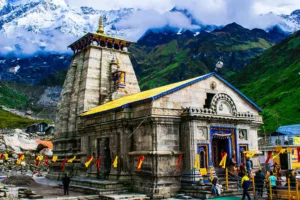
Best time to visit Kedarnath
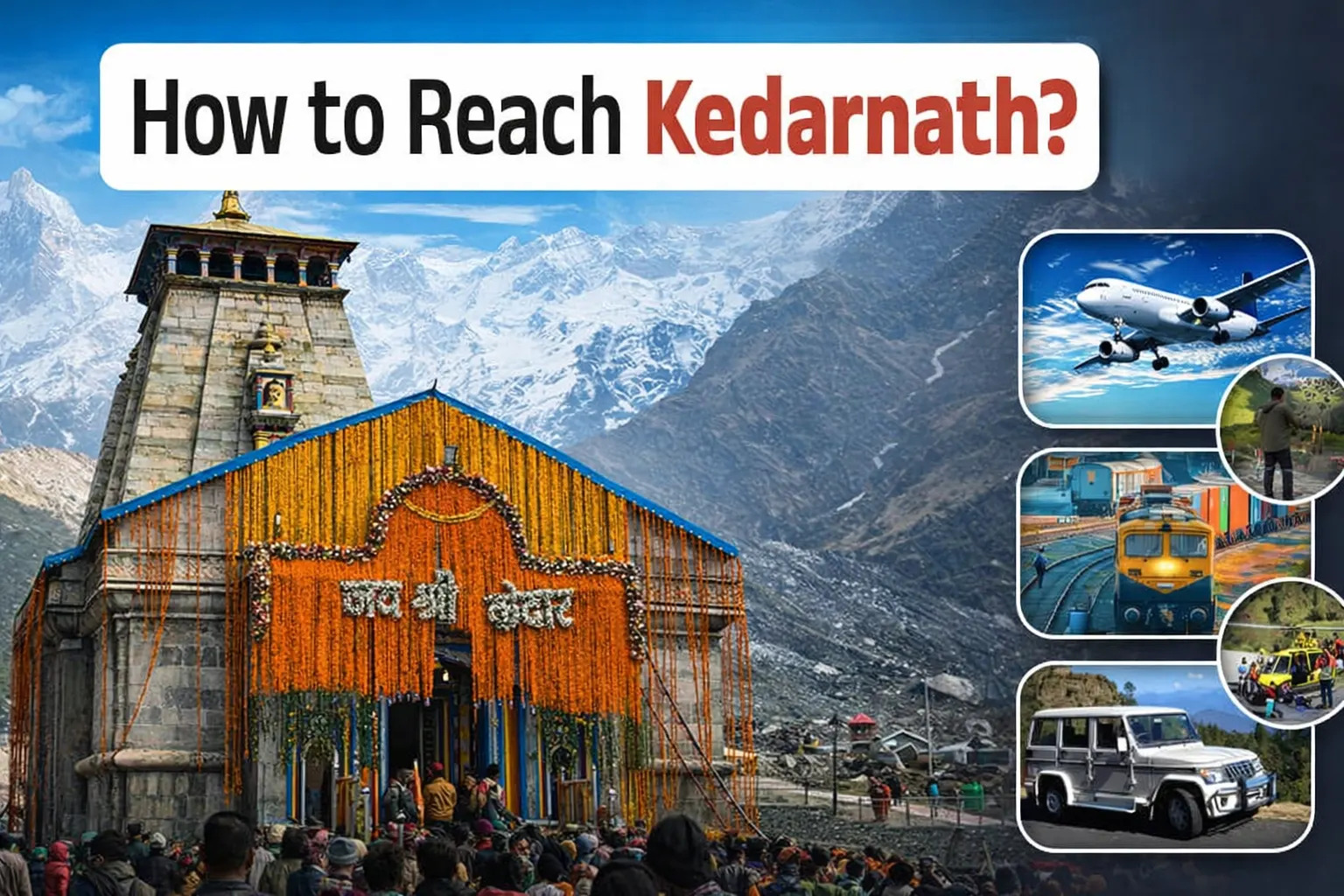
Kedarnath is a high-altitude temple reached by a substantial uphill trek from Gaurikund, unless a permitted alternative is available. Cold, rain, wind, and changes in trail conditions can make the journey demanding.
May and June are commonly considered for pre-monsoon travel, while September and early October may appeal to travelers seeking post-monsoon conditions. Neither period guarantees good weather.
Travelers should:
- Check the official temple opening and closing dates.
- Prepare for cold mornings and nights.
- Allow sufficient time for the trek.
- Monitor weather and trail advisories.
- Avoid travelling against official warnings.
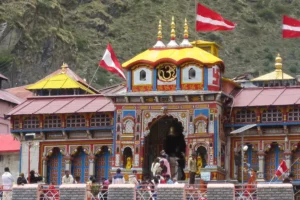
Best time to visit Badrinath
Badrinath sits at around 3,100 metres in the Garhwal Himalayas. The temple usually remains open during the main pilgrimage season and closes for winter when snow and cold make access difficult. Uttarakhand Tourism lists May to October as the ideal general visiting period.
Badrinath is road-accessible during the pilgrimage season, but that does not remove the effects of mountain weather. Road closures, rainfall, cold, and crowd levels can still affect the journey.
Check road status, accommodation, and the temple schedule before setting out.
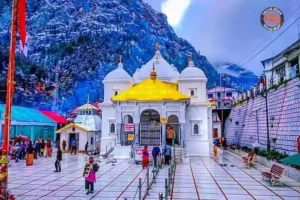
Best time to visit Gangotri
Gangotri is reached by road, but its mountain location means conditions can change quickly. The Shri Badarinath Kedarnath Temple Committee identifies April to June and September to November as general visiting periods and warns that monsoon landslides can make access difficult.
May and June may suit travelers who want to visit before the main monsoon period. September can also be considered if the forecast and road reports are favourable.
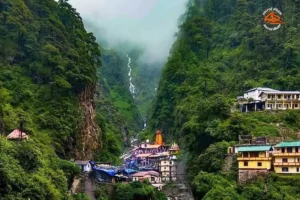
Best time to visit Yamunotri
Yamunotri requires a trek from Janki Chatti. Uttarakhand Tourism describes the route as a steep walk of about 3 km, which commonly takes around three hours, although the actual time varies by fitness, weather, and crowd levels.
Travelers should account for the walking requirement when choosing dates, particularly if travelling with older family members or children. Wet or slippery conditions can make the route more difficult.
Confirm the temple’s official schedule, weather forecast, and trekking conditions before departure.
Best Time for Char Dham Yatra Based on Your Travel Priorities
For generally favourable travel conditions
May to June and September to early October are commonly considered planning windows. The right choice depends on the current forecast, road access, and the temple dates for your year of travel.
For fewer crowds
Crowds vary with opening ceremonies, weekends, public holidays, school vacations, and the popularity of individual temples. There is no month that is always quiet.
If you want to avoid the busiest days, consider travelling outside major holiday periods and check accommodation availability before finalizing your dates.
For families
Families should prioritize manageable travel days, reliable accommodation, food arrangements, and sufficient rest. Avoid packing too many long drives and temple visits into one day.
For children, bring suitable warm clothing and rain protection, and make sure the itinerary allows for breaks.
For senior citizens
Age alone does not determine whether someone can complete the journey. Fitness, existing health conditions, mobility, altitude tolerance, and the amount of walking required all matter.
Choose a flexible schedule, discuss high-altitude travel with a healthcare professional when appropriate, and understand the walking demands at Kedarnath and Yamunotri before booking.
For first-time pilgrims
May, June, September, and early October are worth comparing, but the most important choice is a period when you can keep your plans flexible. Check the schedule for all four temples and avoid tight connections on the return journey.
For travelers with limited leave
A fixed return flight or train can become a problem if rain closes a road or delays transport. Avoid a schedule with no buffer time, particularly during the monsoon and late-season periods.
For photographers and nature lovers
The landscape changes throughout the season. Early-season travel may offer views of lingering snow at higher elevations, while post-monsoon travel may bring greener valleys and clearer intervals. These are possibilities, not guarantees. Clouds, rain, snow, and visibility vary.
Char Dham Yatra Weather and Temperature
There is no single temperature range that accurately describes all four temples throughout the season. Conditions vary by elevation, valley, time of day, wind, and weather system.
Keep these points in mind:
- Day and night can feel very different. A comfortable afternoon may be followed by a very cold evening.
- Higher locations are colder. Do not use temperatures from lower towns as a guide to conditions at Kedarnath.
- Rain changes the experience. Wet clothing, wind, and slippery surfaces can make a journey feel colder and harder.
- Weather changes quickly. A monthly average cannot tell you whether a particular day is suitable for travel.
- Snow and ice are seasonal possibilities. Their presence depends on actual conditions and should not be assumed for a specific date.
The India Meteorological Department publishes a dedicated Char Dham weather-warning page. Use it shortly before departure and during the trip. The page provides destination-specific warnings, showing why travelers should check each area rather than relying on one general forecast.
When Does Char Dham Yatra Open and Close?
The temples open for a limited season each year and close as winter approaches. The opening and closing dates are announced according to the temple calendar and official decisions. The four shrines may have different dates.
For 2026, the opening dates were:
- Yamunotri: 19 April 2026
- Gangotri: 19 April 2026
- Kedarnath: 22 April 2026
- Badrinath: 23 April 2026
These dates are reported by current pilgrimage information sources, including the 2026 travel announcement summaries. Before publishing date-specific details, confirm them against the relevant temple authority’s announcement.
Closing dates require separate confirmation. As of 10 October 2026, I could not verify a complete official announcement listing the final closing date for all four temples. Do not assume that they all close on the same date or copy tentative dates from an older page.
Use these official sources:
- Uttarakhand Tourism
- Shri Badarinath Kedarnath Temple Committee
- Uttarakhand Tourist Care registration portal
Is Monsoon a Good Time for Char Dham Yatra?
Monsoon travel is possible when routes remain open and conditions permit, but July and August generally require more caution than the main pre-monsoon and post-monsoon windows.
Rain can trigger landslides, damage roads, delay transport, and affect river levels. These risks vary by location and day, so neither an automatic cancellation nor an assumption of safe access is appropriate without checking current conditions.
Before travelling during the monsoon:
- Check the IMD forecast and destination-specific warnings.
- Confirm road access with the relevant authorities.
- Avoid setting out against official advice.
- Keep accommodation and transport plans flexible.
- Allow extra time in case of delays.
- Be prepared to change or postpone the itinerary if conditions deteriorate.
The temple committee’s guidance for Gangotri explicitly identifies monsoon landslides as a travel difficulty. This is a useful reminder that the decision should be based on route-specific conditions, not just the name of the month.
How Many Days Are Needed for Char Dham Yatra?
The required duration depends on your starting city, transport mode, route, walking pace, and how much time you need for rest. The itinerary must also allow for traffic, weather, and any temporary access restrictions.
Plan for:
- Travel from your home city to Uttarakhand.
- Road journeys between the four destinations.
- The treks required at Kedarnath and Yamunotri.
- Darshan, rest, and overnight stays.
- The return journey and connections to your train or flight.
- A buffer for unexpected delays.
Do not judge a package only by the number of days advertised. Check how much time it allows for road travel, trekking, darshan, and rest. A schedule that looks efficient on paper may be difficult if it leaves no room for weather disruption.
What Should You Pack for Char Dham Yatra?
Your packing list should reflect the month, route, and amount of walking planned.
Clothing and footwear
- Warm layers, including a jacket.
- Waterproof jacket or rain protection.
- Comfortable walking shoes with good grip.
- Extra socks and suitable clothing for cold conditions.
- Sun protection, such as a hat and sunscreen.
Travel essentials
- Government-issued identification.
- Yatra registration confirmation and booking details.
- Phone charger and power bank.
- Flashlight.
- Reusable water bottle.
- Essential toiletries and personal items.
- Emergency contact information.
Health and trekking needs
- Personal medicines prescribed by your doctor.
- Basic first-aid supplies.
- Suitable snacks for the journey.
- Any personal medical documents you may need.
Pack light enough to walk comfortably where trekking is required. Check the current forecast before leaving and adjust your clothing to the actual conditions expected.
Important Health and Safety Tips
Char Dham involves travel through mountainous areas, and some locations sit at high elevations. Physical fitness helps with exertion, but it does not eliminate altitude-related risk.
- Build up your walking stamina before the trip.
- Allow rest and acclimatization where appropriate.
- Drink water regularly and eat enough.
- Avoid pushing through severe fatigue.
- Follow official weather and route instructions.
- Take care on wet, steep, or slippery paths.
- Seek medical advice before travel if you have a relevant health condition or concern about altitude.
Headache, nausea, dizziness, unusual breathlessness, confusion, or difficulty walking can be warning signs at altitude. Seek medical assessment promptly if these occur. Severe or worsening symptoms require urgent help. Do not attempt to diagnose or treat serious symptoms on your own.
Booking and Planning Tips
Before you confirm your trip, check the following:
- Temple schedule: Confirm the opening and closing dates for each shrine.
- Yatra registration: Use the official Tourist Care Uttarakhand portal.
- Accommodation: Confirm where you will stay each night and whether your booking can be changed.
- Transport: Check the actual pickup point, arrival time, and cancellation terms.
- Weather: Review the IMD Char Dham forecast and warnings.
- Road conditions: Check current updates from the state and local authorities.
- Trekking arrangements: Understand the walking distance, time, and any permitted alternatives.
- Buffer days: Keep enough time for a delay, particularly if your return journey depends on a fixed train or flight.
Treat online travel information as a starting point, not a substitute for current official instructions.
Common Mistakes to Avoid
- Booking without checking temple dates: Each shrine can have its own opening and closing schedule. Verify all four before paying.
- Assuming the weather is the same everywhere: Kedarnath, Badrinath, Gangotri, and Yamunotri differ in elevation, terrain, and access.
- Underestimating the cold: Carry warm clothing even if you are travelling during summer.
- Ignoring monsoon warnings: A road or trekking route may be affected after a forecast changes.
- Relying on old road information: Check the latest route status before leaving and during the trip.
- Planning without buffer days: A single delay can affect the rest of the itinerary.
- Assuming helicopter services always operate: Weather and operating conditions can change schedules.
- Treating average temperatures as a forecast: Check the location-specific forecast for your actual travel dates.
Best Time to Visit Char Dham: Final Recommendation
For many travelers, May to June and September to early October are the main periods worth comparing. The pre-monsoon window may suit those who want to travel before the main rains, while September can offer clearer intervals after the monsoon. July and August require particular caution because rain-related disruption can affect mountain roads and trekking routes.
The best month depends on the dates announced for each temple, current road and weather conditions, your health and mobility, and how much flexibility you have. There is no month that guarantees clear skies, empty roads, or uninterrupted travel.
Before booking, check the official temple schedule, register through the official portal, review the IMD forecast, and confirm road access. Make your final decision using current information rather than a fixed month-by-month rule.
Month-by-Month Decision Table
| Month | General planning outlook | Crowd consideration | Main concern |
|---|---|---|---|
| April | Early season, subject to opening dates | Opening dates can attract demand | Cold and changing access |
| May | Popular pre-monsoon period | Can be busy | Queues, cold at altitude |
| June | Popular pre-monsoon period | Can be busy | Changing weather and possible monsoon onset |
| July | Main monsoon period | Demand varies | Rain and landslides |
| August | Main monsoon period | Demand varies | Rain-related disruption |
| September | Post-monsoon transition | Depends on dates and holidays | Residual rain and road conditions |
| October | Late-season travel | Can vary by temple schedule | Cold and approaching closures |
Choosing a Travel Window by Priority
| Your priority | Period worth considering | What to verify |
|---|---|---|
| Travel before the main monsoon | May to June | Crowds, forecast, temple dates |
| Post-monsoon scenery | September | Rainfall, road access |
| Late-season travel | Early October | Official closing dates, cold, daylight |
| Family comfort | A period with flexible travel dates and suitable conditions | Rest stops, accommodation, walking demands |
| Senior-citizen travel | A flexible itinerary matched to the person’s health and mobility | Medical advice, trekking requirements, local facilities |
| Fixed return flight or train | A period when route and weather outlook are favourable, with buffer days | Road updates, cancellation rules |
Frequently Asked Questions
What is the best time to visit Char Dham?
May to June and September to early October are commonly considered for Char Dham Yatra. May and June can be crowded, while September may offer clearer intervals after the monsoon. Always check current weather, road access, and official temple dates.
Which month is best for Char Dham Yatra?
May, June, and September are often considered, depending on the traveler’s preferences. There is no universally best month. Choose according to the official schedule, weather outlook, crowd tolerance, and the amount of flexibility in your itinerary.
Is May a good time for Char Dham?
May is a popular pre-monsoon month for the pilgrimage. However, opening-season dates may attract crowds, and high-altitude places can remain cold. Confirm that all the temples you plan to visit are open on your chosen dates.
Is June a good time for Char Dham?
June can suit travelers who want to travel before the main monsoon period, but conditions can change as the month progresses. Check forecasts and road updates rather than assuming the whole month will have dry weather.
Can I visit Char Dham in July?
Travel may be possible if routes are open and conditions permit, but July falls within the main monsoon period. Heavy rain can cause landslides and road closures. Follow current official advice before making the trip.
Is August suitable for Char Dham Yatra?
August is generally a more weather-sensitive period because of monsoon rainfall. Travelers need flexible plans and must check road access and weather warnings frequently. Do not travel against official instructions.
Is September a good time to visit Char Dham?
September can offer clearer intervals and green mountain scenery after the monsoon. However, rainfall and road disruption may continue. Check the forecast for each destination and keep a buffer in your schedule.
Can I visit Char Dham in October?
Yes, if the temples remain open and the routes are accessible on your chosen dates. October brings colder conditions at higher elevations, and the annual temple closures approach. Verify each shrine’s official closing date before booking.
When does Char Dham Yatra open?
The temples generally open in April or May, but each shrine has its own annual date. Check Uttarakhand Tourism and the relevant temple authority for the confirmed schedule for your year of travel.
When does Char Dham Yatra close?
The temples generally close in October or November as winter approaches. The four shrines may close on different dates. Confirm the official announcement rather than relying on a single date for the entire circuit.
Which Dham is best to visit first?
The commonly followed Char Dham sequence in Uttarakhand starts at Yamunotri, followed by Gangotri, Kedarnath, and Badrinath. Check your route, transport arrangements, and current access conditions when planning the order.
Is Char Dham Yatra suitable for senior citizens?
It depends on each person’s health, mobility, and ability to manage road travel and trekking. Kedarnath and Yamunotri involve significant walking. Discuss high-altitude travel with a healthcare professional when appropriate and choose a flexible itinerary.
How many days are required for Char Dham Yatra?
The duration depends on your starting city, transport, trekking pace, rest needs, and road conditions. Plan for the journeys between temples, the required treks, darshan, overnight stays, and possible weather delays.
What is the weather like during Char Dham Yatra?
Weather varies by temple, elevation, and month. Conditions can be cold at higher elevations even during the pilgrimage season, and monsoon rain may affect road access. Check the location-specific forecast shortly before travelling.
Is it safe to visit Char Dham during the monsoon?
There is no single answer for every day or route. Monsoon rainfall increases the risk of landslides, road closures, and delays. Make the decision using current forecasts and official road advisories, and postpone travel if authorities advise against it.